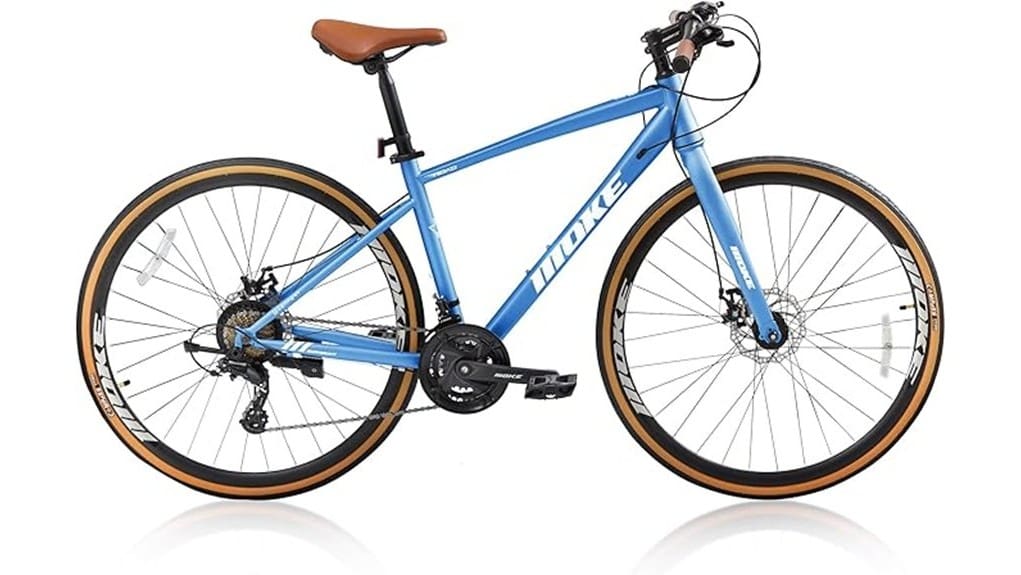
You’ll find this 24-speed 700C hybrid delivers dependable commuting performance with a durable carbon-steel frame, 700x32C wheels for lower rolling resistance, and dual disc brakes for consistent stopping in wet conditions. The 3×8 drivetrain and trigger shifters give crisp, practical gear changes and sensible overlap for steady cadence on flats and climbs. Fit is adjustable for comfort and quick assembly; maintenance is routine. Keep going to see detailed pros, cons, and setup tips.
Some Key Takeaways
- 24-speed 3×8 drivetrain offers versatile gear range and crisp trigger shifts for commuting, climbs, and mixed-terrain riding.
- 700C wheels with 32C tires reduce rolling resistance and smooth small bumps for efficient daily rides.
- Carbon steel frame provides durable, slightly forgiving ride stability but limits peak performance and resale value.
- Dual front-and-rear disc brakes ensure consistent, confident stopping in wet and variable conditions.
- Good value for commuters: easy assembly, adjustable fit, and recommended accessories include fenders, racks, and lights.
Quick Specs and Who This 24-Speed 700C Hybrid Bike Suits
While weighing performance and practicality, this 24-speed 700C hybrid bike delivers a clear specification set: a lightweight carbon steel frame with internal wiring, a 3×8 drivetrain offering 24 precise gear combinations, 700C wheels shod with 700x32C tires for lower rolling resistance, dual front-and-rear disc brakes for responsive stopping, and adjustable ergonomic contact points available in two frame sizes (S: 50 cm for riders ~51–57 in; M: 52 cm for riders ~57–61 in). You’ll find it suits riders seeking commuter friendly range and flexible weekend escapes, offering compact proportions for urban storage and straightforward assembly for immediate use. It also pairs well with essential hybrid accessories like fenders and racks for everyday riding accessory options.
Frame, Wheels, and Brakes: What the Carbon Steel Frame, 700C Wheels, and Dual Disc Brakes Mean for Ride Quality
Regarding ride quality, the carbon steel frame, 700C wheels with 700x32C tires, and dual disc brakes each contribute distinct, measurable effects you’ll notice on the road. The steel frame balances durability and controlled flex, so you get predictable ride stability without harshness; weight is moderate but aids momentum on flats. The larger 700C rims with 32C tires lower rolling resistance and smooth small bumps, extending range and comfort across mixed surfaces. Dual disc brakes deliver consistent, sensitive stopping power, improving braking confidence in wet or variable conditions. Together these elements prioritize dependable, unfettered riding rather than race-focused responsiveness. Our site helps riders choose the perfect frame for their preferred riding style.
Drivetrain and Shifting: Real-World Performance of the 3×8 24-Speed System and Trigger Shifters
After feeling how the frame, wheels, and brakes shape handling and comfort, you’ll notice the drivetrain defines how you translate that stability into forward motion. You get a predictable 3×8 setup: trigger shifters deliver crisp, immediate shift feel for climbs and flats. Gear overlap reduces the need for extreme jumps, letting you maintain cadence without wasting effort. Assess shift durability by checking cable routing and occasional indexing; components are serviceable. Plan maintenance intervals around 500–1000 miles for cables and derailleur adjustments, sooner in wet conditions. Overall, the system balances simplicity, range, and reliability for independent riders. Regular inspection and timely replacement of shift cables and housings prolongs performance and helps maintain smooth, consistent shifting.
Fit, Comfort, and Assembly: Sizing Guidance, Adjustability, and Step-by-Step Assembly Tips
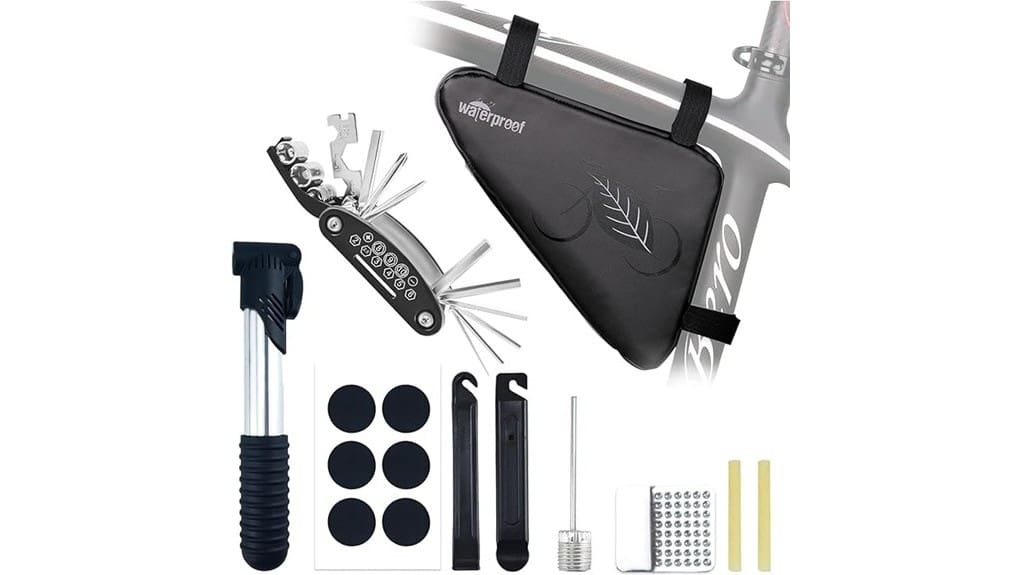
Typically, you’ll find the hybrid’s fit and comfort hinge on three adjustable touchpoints—seat height, seat fore/aft, and handlebar position—so take measurements and make incremental changes rather than guessing. Choose S or M frame per height chart, then set seat height so your leg has a slight bend at the pedal’s bottom stroke. Adjust seat fore/aft to center knee over pedal spindle and fine-tune for power and comfort. Modify handlebar reach to maintain upright posture and reduce wrist strain; shorter reach favors control, longer favors stretched efficiency. Assemble remaining components following the included instructions; tools and estimated 25–30 minutes suffice. For prolonged rides, consider adding essential gear to enhance comfort and safety.
Value Verdict and Buying Advice: Pros, Cons, Best Use Cases, and Whether to Buy or Look Elsewhere
While the hybrid’s lightweight carbon steel frame, 24-speed drivetrain, and dual disc brakes give you a well-rounded package for commuting and mixed-surface rides, its value hinges on how you plan to use it and how it stacks up against alternatives. You’ll appreciate reliable braking, upright comfort, and low rolling resistance on 700C x32C tires for daily freedom. Pros: versatile gearing, easy assembly, comfortable fit. Cons: steel frame limits peak performance, resale value may lag higher-end alloys/carbon. Best if you want commuter durability and mixed-terrain utility. Buy if budget-minded; look elsewhere for racing or ultralight goals. Follow basic maintenance tips. Consider pairing it with essential commuter accessories like lights and racks for daily practicality and safety, especially if you plan regular city or work rides with commuter bike gear.
Some Questions Answered
Is the Bike Suitable for Commuting in Rainy Conditions?
Yes — you can commute in rain with precautions. You’ll want waterproof accessories like fenders and a saddle cover to keep water off you and components; 700 x 32C tires handle wet roads but still need caution. Dual disc brakes offer reliable stopping when wet, and internal wiring helps protect cables. To guarantee longevity, perform rust prevention: dry and lube the drivetrain, and inspect bolts after rides.
Can I Install a Rear Rack and Panniers?
Yes — you can install a rear rack, and the frame’s design supports standard pannier compatibility. You’ll want to check for mounting eyelets or use a seatpost-mounted rack if absent. Confirm rack clearance over the 700 x 32C tires and make sure disc brake caliper clearance. Choose a rack rated for your load and waterproof panniers for commuting freedom. Installation’s straightforward; follow torque specs and recheck wheel and brake alignment afterward.
What Is the Bike’s Total Weight With Both Wheels Installed?
The bike’s total mass with both wheels installed is approximately 13.5 kg. You’ll note wheel weight contributes roughly 2.2 kg combined, so the frame and components account for about 11.3 kg. You can adjust that figure slightly by swapping heavier tires, adding a rear rack or panniers, or choosing different seatposts. You’ll want to weigh your specific build if precise total mass matters for transport, storage, or payload planning.
Are Replacement Parts and Components Widely Available?
Yes — you’ll find replacement parts generally accessible: common drivetrain and brake components follow standard specs, so aftermarket compatibility is strong. Regional availability varies; urban areas and online retailers stock 700C wheels, 32C tires, disc brake pads, and 3×8 drivetrain parts readily, while remote regions may face delays. You should verify local suppliers and order critical spares in advance to maintain independence and minimize downtime on rides.
Does the Warranty Cover Frame and Drivetrain Defects?
Yes — the manufacturer warranty typically covers frame defects and offers limited coverage for drivetrain issues. You should inspect warranty terms: frame defects are usually fully covered for a set period, while drivetrain components often fall under limited coverage with exclusions for wear, misuse, and normal maintenance. You’ll want to register your bike, keep proof of purchase, and document issues promptly so you can exercise your rights and preserve your freedom to ride without unexpected costs.