You’ll find the Bell BMX tire is a durability-first, traction-focused choice that’s worth buying if you ride regularly; it uses Flat Defense to cut punctures roughly 25% versus basic BMX tires and pairs aggressive knobby tread with a reinforced carcass for predictable grip on track, dirt, and mixed pavement. It fits 20 x 1.75–2.25 (ETRTO 57-406), limits to 35 PSI, and favors longevity over outright speed — keep going to see full specs and tradeoffs.
Some Key Takeaways
- Durable, traction-focused BMX tire with aggressive knobby tread suited for dirt, tracks, and mixed pavement.
- Flat Defense layer boosts puncture resistance by about 25% compared to baseline tires.
- Reinforced carcass and robust compounds prioritize longevity under repeated abrasion and impacts.
- Fits 20 x 1.75–2.25 (ETRTO 57-406) rims; do not exceed 35 PSI and ensure proper bead and rim strip seating.
- Best for regular BMX riders valuing durability; consider lighter race tires or slicks if speed or commuting is primary.
Quick Verdict: Is the Bell BMX Tire Worth Buying?
While not the cheapest option, the Bell BMX tire gives you a durable, traction-focused package that’s worth buying if you ride BMX regularly or want reliable puncture resistance. You’ll get Flat Defense Technology that boosts puncture resistance ~25% and ultra-durable construction aimed at repeated use. The aggressive knobby tread and carbon steel bead prioritize control and compact storage. In a cost comparison, initial price sits above budget tires but you’ll lower long term maintenance and replacement frequency. If you value freedom to push limits without frequent repairs, this tire delivers a sensible balance of durability, traction, and lifecycle economy. Our shop specializes in products for riders looking to optimize their mountain bike wheels and related components, including tires for different riding styles like BMX and trail riding with wheel compatibility.
How the Tire Performs on Tracks, Dirt, and Pavement
Tackling tracks, dirt, and pavement, the Bell BMX tire delivers predictable grip and stability across surfaces thanks to its aggressive knobby tread and robust carcass. You’ll notice confident cornering grip on berms and loose turns; the tread bites and returns predictable feedback so you can push lines without hesitation. On hardpack and street, the center knobs compress for reasonable rolling efficiency, balancing speed and traction. Shifts between surfaces stay controlled—traction steps up on dirt, relaxes on pavement—so you can explore freely while maintaining speed and control. Pressure tuning further refines feel for your preferred ride style. For optimal performance, pair the tire with the right trail bike gear to match your riding conditions.
Protection and Durability: Flat Defense, Construction, and Real-World Puncture Resistance
Because Bell pairs a reinforced carcass with its Flat Defense layer, the tire resists cuts and punctures better than standard BMX rubber and holds up under repeated riding. You’ll notice a 25% increase in puncture resistance in controlled puncture testing versus a baseline tire; that translates to fewer roadside failures. Construction uses robust compounds to delay material breakdown, maintaining integrity through abrasion and impact. In real-world use you get predictable durability across dirt, track, and street sessions. You can push lines and jump with confidence knowing the tire’s build prioritizes resistance and longevity without sacrificing mobility. The site also helps riders choose the right tire by matching expected terrain and riding style to tire features like tread and casing tire features.
Fit, Specs, and Compatibility (20 X 1.75–2.25, ETRTO 57-406, PSI, Bead)
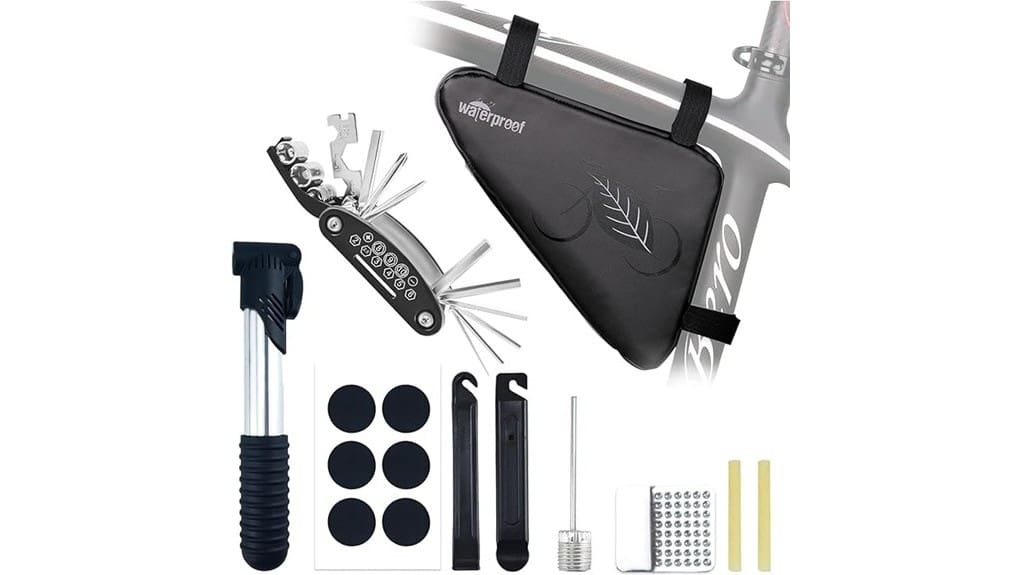
Having established the tire’s reinforced carcass and puncture resistance, you should confirm fit and pressure parameters before mounting. You’ll fit a 20 x 1.75–2.25 tire (ETRTO 57-406) to standard 406 rims; check rim compatibility for width and bead seating. The carbon steel bead folds for storage but still requires correct seating torque and rim strip alignment. Observe the PSI limit—do not exceed 35 PSI; inflate to match terrain and rider weight. Verify valve length for deep-section rims or with tubeless setups, and assure proper valve core access and secure rim-to-tire sealing. Also pack a patch kit and basic tools when riding to handle punctures and minor tire repairs.
Who Should Buy This Tire and Buying Tips (Use Cases, Alternatives, Price/Value)
If you ride BMX regularly—on tracks, dirt jumps, or mixed pavement—and need a durable, puncture-resistant tire that maintains traction under aggressive use, this model is a solid choice. You’ll benefit from Flat Defense Technology and aggressive knobby tread for reliable control and fewer flats, ideal for BMX commuting, park sessions, and trail laps. Choose this if you want rugged longevity, easy folding with a carbon steel bead, and predictable handling. Consider budget alternatives—slick commuter tires for urban rides or lighter race-oriented tires for speed—if puncture resistance or off-road traction aren’t priorities. Assess price versus service life. Gear up for cargo bike adventures with accessories that complement your ride, especially when carrying gear on longer trips with a cargo bike.
Some Questions Answered
Is This Tire Tubeless-Compatible?
No — it isn’t specified as tubeless-compatible. You’ll need a tubeless conversion and to verify rim compatibility before attempting conversion. The tire’s carbon steel bead and standard 20 x 1.75–2.25 (ETRTO 57-406) sizing suggest it’s built for tube use and rugged durability, not sealed tubeless setups. If you want tubeless, confirm your rim’s bead lock profile and PSI limits, then use a proper tubeless conversion kit and sealant for safety.
What Is the Tire’s Exact Weight?
The manufacturer doesn’t list an exact weight for this tire, so you won’t get a precise gram figure. You can expect a rugged, slightly heavier build due to the Flat Defense layer and carbon steel bead. At typical air pressure and with its aggressive tread pattern, weight trends toward medium-heavy for 20″ BMX tires. If you need exact mass, weigh the tire yourself or request spec data from the vendor.
Does It Come With a Warranty or Guarantee?
No explicit warranty details are listed with the tire; you’ll want to check the seller or manufacturer for any guarantees. You’re protected by standard customer protections like return policies and consumer law, but specific coverage for defects or punctures isn’t specified here. Contact the retailer or Bell directly to confirm warranty terms, duration, and claim procedures so you can ride confidently knowing what protections apply.
How Quickly Does the Tread Wear With Regular Use?
You’ll see moderate tread wear with regular use; the optimized aggressive knobby design and Flat Defense layer extend long term durability, so you won’t need frequent replacements. Expect slower degradation on dirt and BMX tracks, faster on abrasive pavement. Seasonal performance shifts: rubber compounds and knobbies retain grip in dry seasons but may erode quicker with winter grit and wet conditions. Rotate and inspect tires regularly to maximize lifespan and safety.
Are Spare Replacement Tires or Parts Available?
Yes — spare availability is good; you can source replacement options through Bell dealers and major bike retailers. You’ll find the 20 x 1.75–2.25 tire and compatible parts like tubes and carbon steel bead replacements in stock. Retailers list specs (ETRTO 57-406, max PSI 35) so you can match components precisely. You’ll get durable, puncture-resistant tires and parts suited for repeated BMX use and independent maintenance.