Pick 24″, 26″, or 27.5″ based on fit, terrain, and whether you want quick handling or more momentum; smaller wheels (24/26″) give sharper steering, quicker acceleration, and lower clearance needs, while 27.5″ smooths chatter, improves rollover and high‑speed stability but needs more clearance and longer seatpost. Check frame geometry, suspension setup, and drivetrain compatibility before buying, choose hydraulic brakes and proper tires, and keep fit adjustments in mind — more details follow if you keep going.
Some Key Takeaways
- Choose wheel size by rider fit and terrain: 24″ for small/youth, 26″ for balanced trail use, 27.5″ for faster rollover and taller riders.
- Smaller wheels deliver sharper handling and quicker acceleration; larger wheels smooth chatter and preserve momentum.
- Verify frame and suspension geometry (reach, headtube angle, travel) for desired stability and agility before buying.
- Ensure drivetrain and brake compatibility: hydraulic discs preferred, cassette range and chainline must match shifter system.
- Prioritize proper suspension setup, tire width/tread, and fit adjustments for comfort, control, and reliable real-world performance.
Which Wheel Size Fits You: 24″, 26″, or 27.5″?
Wondering which wheel size suits your riding? You’ll pick 24“, 26“, or 27.5” based on fit, terrain, and bike geometry. Smaller wheels reduce required wheel clearance and shorten seatpost length for compact frames; they suit nimble, lower stance width setups. 26″ is a balanced choice—moderate reach adjustment and predictable handling when you want versatility. 27.5″ demands more clearance, a longer seatpost length, and slightly wider stance width but gives you stability without sacrificing maneuverability. Measure your preferred reach adjustment and stance, verify frame compatibility, and choose the wheel that frees your riding style. Our site helps you choose the right wheel for your mountain bike setup.
How Ride Feel Changes: Handling, Speed, and Rollover by Wheel Size
Typically, wheel size changes handling, speed, and rollover in predictable ways, so you can choose based on the trade-offs you want. Smaller wheels (24/26″) give sharper handling and quicker acceleration response; they’ll flick through tight turns and let you change line fast, but they require more input to maintain momentum and have reduced rollover on big obstacles. Larger 27.5″ wheels smooth chatter, increase effective top speed, and improve rollover, which raises confidence on rough terrain and enhances cornering stability at speed, though steering feels slightly slower. Match wheel size to terrain and your desire for agility versus momentum. Our shop carries a range of options optimized for different needs, including specific mountain bike tires designed for full suspension setups.
Frame, Suspension, and Drivetrain Checklist for Full-Suspension Bikes
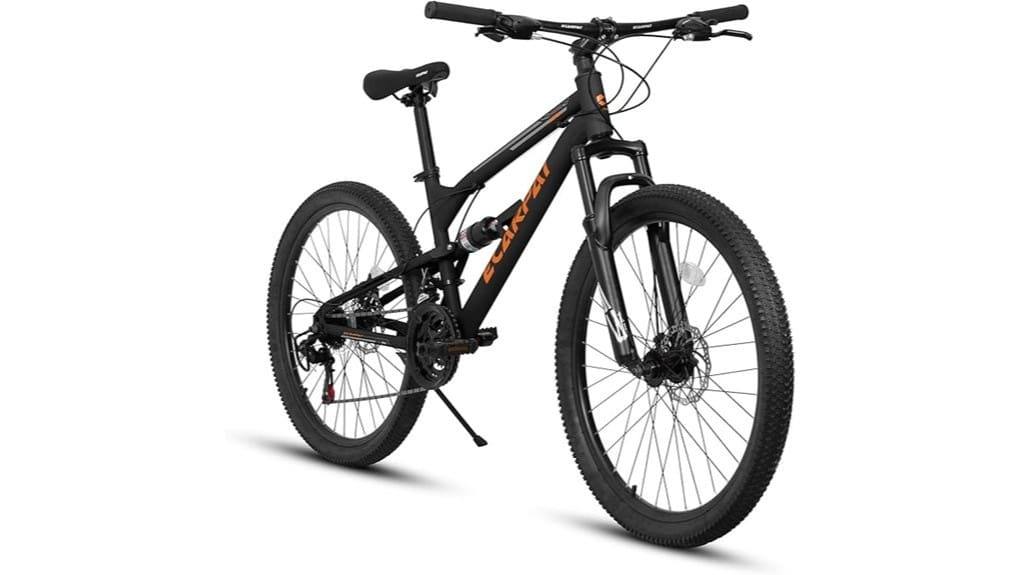
When you’re evaluating a full-suspension mountain bike, focus first on how the frame, suspension layout, and drivetrain work together to meet your terrain and riding style needs. Check frame geometry for reach, headtube angle, and chainstay length—these define stability and agility for your preferred trails. Inspect suspension tuning: travel, spring rate, and rebound settings should match your weight and riding aggression; adjust the fork and rear shock accordingly. Verify drivetrain compatibility with chainline, cassette range, and shifter type to make certain crisp shifts under load. Finally, plan maintenance intervals for suspension service, drivetrain wear checks, and torque inspections to keep freedom intact. Also consider choosing components from reputable suppliers to ensure long-term reliability and parts availability.
Real-World Use Cases: Who Should Buy 24″, 26″, or 27.5″ Bikes
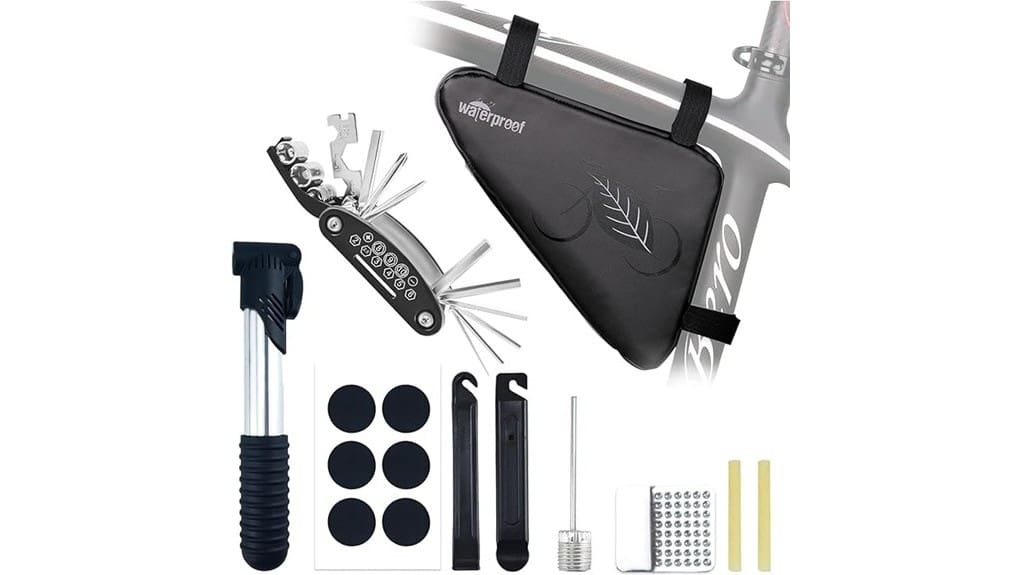
Which wheel size fits your riding goals and body dimensions depends on trade-offs between maneuverability, rollover ability, and fit. You’ll pick 24” if you’re equipping small riders or youth commuters who need nimble handling, quick steering, and lower standover. Choose 26” for versatile, responsive geometry—ideal if you want predictable cornering, lighter weight, and compact fit for trail beginners stepping up skills. Opt for 27.5” when you crave faster rollover, improved momentum, and stability at speed without sacrificing agility—good for taller riders or freeriders seeking flow and confidence on varied terrain. Match size to intent, not trends. Essential touring gear like panniers and racks can make longer rides more comfortable and practical for any wheel size, so consider adding panniers and racks to your setup.
Quick Buying Guide and Recommended Spec Targets (Including Brakes, Tires, and Fit)
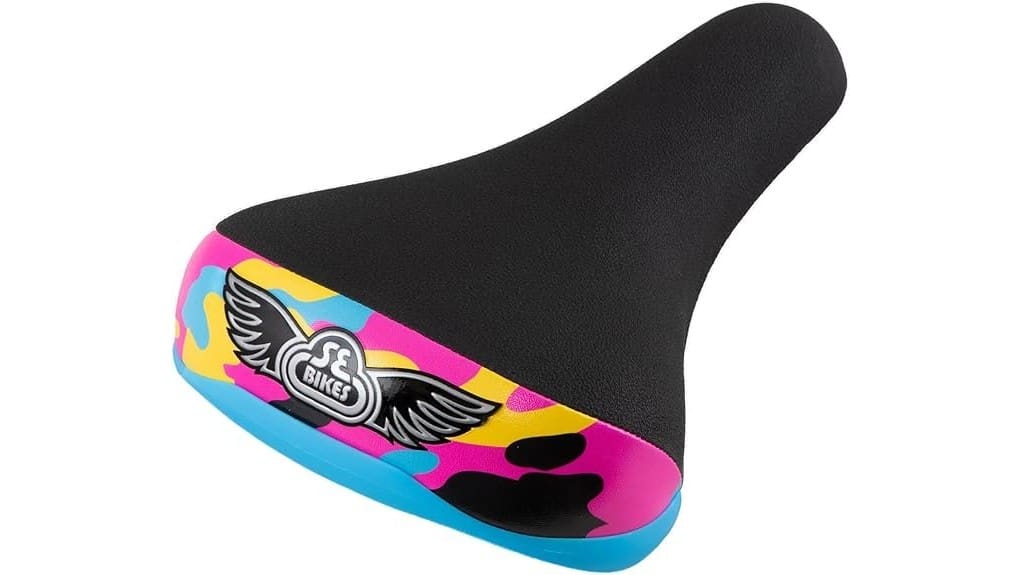
Now that you’ve matched wheel size to your riding goals and body, focus on the specific specs that determine daily performance: brakes, tire construction and size, suspension type, and fit geometry. Pick brakes meeting current brake standards—prefer hydraulic for modulation, mechanical disc minimum on budget models. Select tires with aggressive tire treadpatterns, puncture-resistant casings and matching width (27.5 x 2.125 recommended) for traction and rollover. Make certain dual suspension damping suits trail use and confirm frame weight limits and payload (250 lbs here). Dial fit adjustments—saddle height, stem length, and reach—for comfort and confident handling that frees your ride. Also consider choosing a saddle designed specifically for mountain biking with pressure relief to improve long-term comfort and control.
Some Questions Answered
How Do I Transport This Bike on a Car Rack?
Use a roof mount with fork clamps: remove the front wheel, secure the fork in the clamp, and fasten the rear wheel in the tray. You’ll strap the 41.9 lb frame by the downtube or use the provided tie-downs, ensuring the 27.5 x 2.125 tires sit flat. Tighten clamps and check mechanical disc brakes won’t rub. Double-check all fastenings, test at low speed, and enjoy the open road with confidence.
What Maintenance Interval Is Typical for Rear Shock Service?
You should service the rear shock every 100–200 hours of riding or annually, whichever comes first. For regular service intervals, do basic inspection and air/spring checks at 50 hours; perform damper rebuilds and full seal/shaft service at ~200 hours or if you notice play, oil leakage, or degraded damping. Keep records, use manufacturer-specified fluids, and don’t delay—proper maintenance preserves travel, control, and the freedom to ride confidently off-road.
Can I Fit Wider Tires Than 2.125 Inches?
Yes — you can fit wider tires than 2.125 inches if your frame and fork offer sufficient tire clearance. Measure tyre clearance and rim width: make certain at least 6–10 mm sidewall and adequate arch room. Match tyre width to rim internal width per manufacturer charts to avoid burping or poor handling. If clearance is marginal, consider narrower increase or upgrade fork/frame; otherwise you’ll enjoy improved traction and comfort without rubbing.
Is This Bike Suitable for Bikepacking With Racks?
Yes — you can use it for bikepacking with racks, but mind the frame compatibility and packing weight. The carbon steel frame and dual suspension limit traditional rack mounts; you’ll likely need seatpost or frame-specific rack adapters and low-profile panniers. Keep packing weight under the 250 lb capacity minus rider and bike weight to preserve handling. You’ll want secure mounting points, distribute load low and central, and adjust suspension for added mass.
What Warranty Does the Manufacturer Provide?
The manufacturer warranty isn’t specified in your provided materials; you’ll need to contact ALAKFORM for exact coverage details. Expect limited-term coverage for frame defects and a shorter period for components, excluding normal wear, misuse, and improper assembly. When you enquire, ask for warranty length, claim process, required proof of purchase, and whether shipping or labor’s covered. Keep your receipt and document assembly to preserve eligibility and freedom to ride confidently.