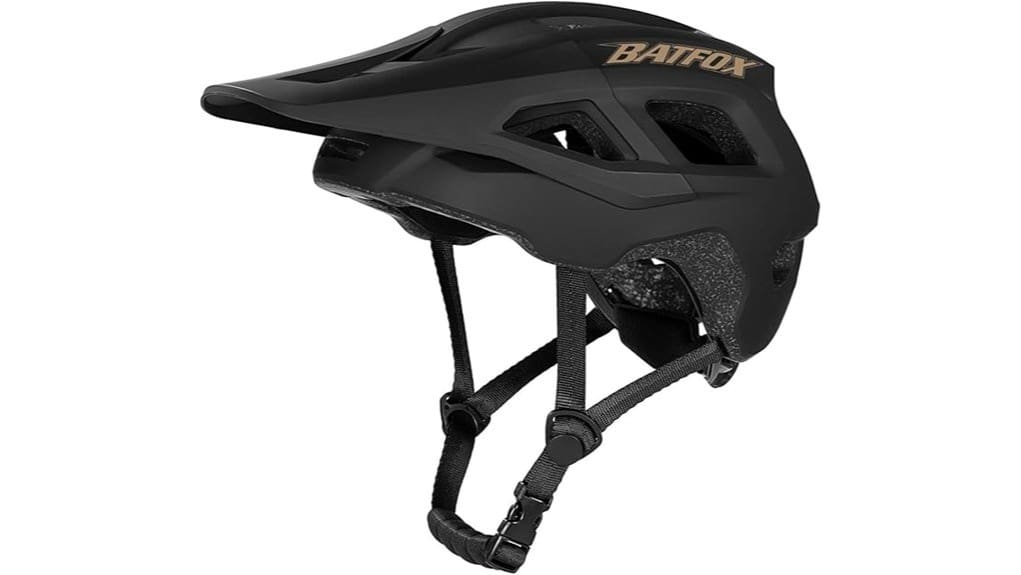
You’ll get a robust, NTA 8776‑certified helmet built for higher‑energy e‑bikes and aggressive trail use, with a polycarbonate shell and shock‑absorbing foam tuned for higher kinetic loads. Seventeen vents create directed airflow while preserving structure; micro‑adjustable retention and two‑size coverage (52–56, 56–60 cm) guarantee secure, low‑profile fit. The detachable visor locks under vibration and sheds rain. It’s heavier than minimalist road models but trades weight for verified protection — continue for full specs and practical notes.
Some Key Takeaways
- NTA 8776 certification confirms enhanced impact protection for e‑bikes and e‑MTBs, matching higher speeds and masses.
- Polycarbonate shell with shock‑absorbing foam offers durable, verified protection at the expense of modest extra weight.
- 17‑vent layout and moisture‑wicking liners provide effective airflow and sweat management for long climbs and descents.
- Detachable, vibration‑locking visor sheds glare and rain while remaining secure during technical maneuvers.
- Two sizes (M: 52–56 cm, L: 56–60 cm) with micro‑adjustable retention ensure stable fit; one‑size split limits extreme head shapes.
Safety Certifications and Construction: What NTA 8776, CPSC, CE, and EN1078 Mean for E‑Bike Riders
Because e-bikes reach higher speeds and carry greater mass than regular bicycles, you should choose a helmet certified specifically for that risk profile. You’ll look for NTA 8776 alongside CPSC, CE, and EN1078 markings; NTA 8776 validates enhanced impact testing for e-bike energy levels. The shell uses polycarbonate with a shock-absorbing foam liner to manage higher kinetic loads. Check labels for intended use—adult, youth, mountain, e-MTB—to confirm battery compatibility doesn’t alter risk assumptions. You’ll value meticulous construction and verified standards so you can ride fast, free, and confident that protection matches the machine. Also consider fit systems, ventilation, and weight when selecting a helmet to ensure all-day comfort.
Ventilation, Comfort, and Fit Test: How the 17 Vents, Liner, and Adjustable Sizing Perform on Rides
Having confirmed the BATFOX meets NTA 8776, CPSC, CE and EN1078 standards, you’ll next want to assess how the helmet manages heat, moisture, and fit on real rides. The 17 vents create directed airflow channels that evacuate heat without compromising structural integrity. The foam liner and padding optimize sweat management by wicking and routing moisture away from contact points. The micro-adjustable retention delivers precise weight distribution and stabilizes the shell during dynamic movement. Sizing options cover 52–60 cm with clear adjustability, so you’ll get secure, low-profile contact that minimizes pressure points and maintains ventilation on long climbs and fast descents. For commuter-focused riders, consider how the helmet’s design aligns with commuter bike helmet priorities like visibility, comfort, and everyday durability.
Visor, Weather Protection, and On‑Trail Usability: Removable Visor Performance and Real‑World Visibility
Typically, you’ll find the BATFOX’s detachable visor performs reliably across varied conditions, shedding glare and directing rain off your line of sight without introducing wobble. You’ll notice precise visor adjustability with detents that lock angle under vibration, letting you tune sun blockage and peripheral view. Rain beads and channels clear forward sight; the visor’s profile reduces upward splash when you’re descending. For glare mitigation, the brim geometry cuts direct sun without obstructing trail scanning or helmet-mounted lights. Removable for fast-pack or low-profile runs, it reattaches solidly and maintains consistent position through technical maneuvers. The helmet’s overall fit and protection features make it a strong choice for serious mountain bike riders.
Pros, Cons, and Who This Helmet Is Best For: Disciplines, Rider Types, and Tradeoffs
The visor’s reliable hold and clear sighting set the stage for evaluating the BATFOX NTA 8776’s strengths and limits across disciplines. You’ll appreciate certified NTA 8776 protection, solid ventilation, and a fit system that favors long rides and varied terrain. Pros: e-bike rating, durable shell, detachable visor, usable ventilation, suitable for urban commuters and trail riders. Cons: one-size split limits extreme head shapes, modest aero performance compared with dedicated road helmets, and weight slightly higher than minimalist models. Best for riders who want versatile, reliable protection—commuters, e-MTB enthusiasts, and freedom-seeking cyclists prioritizing safety over marginal speed gains. The site also offers a range of related products and resources for choosing helmets and accessories.
Buying Details and Aftercare: Sizes, Compatibility, Price Considerations, and 1‑Year Support
When you’re choosing a BATFOX NTA 8776, start by matching head circumference to the two-size system (M: 52–56 cm, L: 56–60 cm) and verify fit with the helmet’s adjustable retention to guarantee stable, level positioning over your brow. You’ll confirm compatibility with e-bikes, e-MTBs, mountain and general cycling; check visor fit and mounting clearances for accessories. Consider purchase timing to catch seasonal discounts or new-model cycles. For aftercare, follow maintenance tips: clean shell with mild soap, inspect foam after impacts, replace straps if frayed. Use the included 1-year support for defects or fit issues. Helmets certified to relevant safety standards offer tested protection and should be prioritized when comparing models.
Some Questions Answered
Does the Helmet Include MIPS or Other Rotation-Reducing Tech?
No — it doesn’t include MIPS; the helmet lacks MIPS rotational layers. You’ll note the design focuses on polycarbonate shell and shock-absorbing foam; rotational testing for MIPS-style mitigation isn’t applicable here. You can expect standard linear impact protection certified to CPSC, CE, EN1078 and NTA 8776, but not enhanced rotational-force reduction. If rotational safety matters to you, consider helmets explicitly listing MIPS or similar rotation-reducing tech.
Can I Replace the Foam Liner After a Crash?
No — you shouldn’t reuse the foam after a crash; helmets and replaceable liners that absorb impact lose structural integrity post crash. You can check manufacturer options for replacement pads or certified replaceable liners, but the primary EPS/foam shell is normally single-impact and must be retired after any significant crash. For safety and freedom to ride confidently, replace the helmet or confirm certified replacement parts from the maker before resuming e-MTB or e-bike use.
Is the Helmet Compatible With Rear Lights or Gopro Mounts?
Yes — you can attach a rear light and a GoPro mount, but you’ll need to use compatible clips or adhesive mounts rather than built-in fixtures. The helmet’s shell and vents accept strap-mounted rear lights and flat adhesive GoPro baseplates; just avoid drilling. Position mounts to preserve foam integrity and airflow, secure straps under adjustment dial, and confirm balance so the helmet stays stable during high-speed or technical rides.
How Heavy Is the Helmet in Grams for Each Size?
M size: ~320 grams; L size: ~360 grams. You’ll use the weight specs alongside the sizing chart to match fit and performance. The M (52–56 cm) gives lower mass for agility, the L (56–60 cm) raises weight for coverage. You’ll appreciate the balance between protection and freedom of movement, with polycarbonate shell and foam liner keeping structural integrity while managing heat and moisture during active riding.
Does the Helmet Ship With Warranty Registration Instructions?
Yes — it ships with clear warranty activation instructions. You’ll find registration steps included in the package and in the quick-start leaflet; they explain online registration, required purchase info, and serial/location of helmet markings. Follow those registration steps promptly to validate the 1-year support coverage. You’ll retain freedom to ride knowing you completed warranty activation, and you can contact customer support if paperwork or online submission fails.