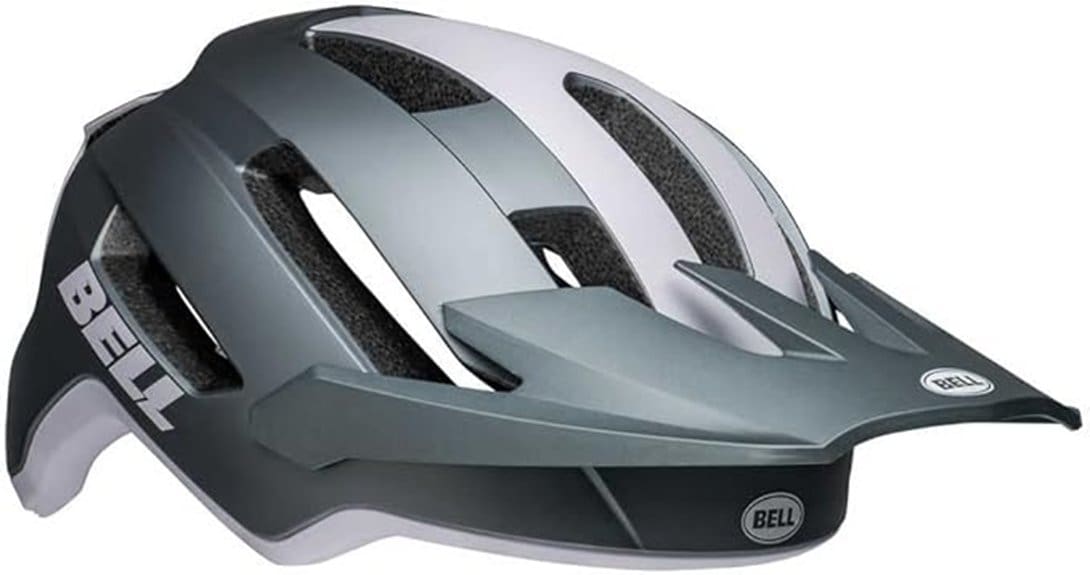
You’ll get a lightweight, well‑ventilated trail helmet that pairs Bell’s Float Fit cradle with an integrated MIPS slip‑plane to cut rotational forces. Fit is precise and low‑profile so the shell stays centered for consistent visor and goggle alignment, while Ionic+ pads and targeted vents manage sweat and heat on long climbs. Retention adjusts on the fly with a rubber dial and Fidlock buckle. It’s aimed at everyday trail riders; keep reading to learn specifics.
Some Key Takeaways
- Lightweight, well-ventilated trail helmet with targeted airflow channels and rear exits for effective heat evacuation.
- Integrated MIPS slip‑plane and Float Fit cradle reduce rotational forces while maintaining low-profile, stable shell alignment.
- Float Fit and rubberized retention dial provide precise on-trail adjustment and secure fit without bulky interior padding.
- Three-position visor, rubber goggle gripper, and sweat-guide pads ensure predictable eyewear integration and reduced lens fogging.
- Best for everyday trail riders seeking balance of protection and ventilation; limited coverage for aggressive enduro use.
What This Review Helps You Decide (Commercial Investigation + What to Expect)
When you’re comparing helmets for everyday trail and enduro riding, this review helps you decide whether the Bell 4FORTY Air MIPS gives the right mix of safety, fit, and ventilation for your needs. You’ll get purchase guidance focused on real-world use: how the helmet performs on long climbs, charged descents, and hot rides. Expect clear notes on expected performance in ventilation, moisture control, and goggle integration without rehashing specific retention tech. You’ll learn whether the balance of protection and airflow supports confident, unrestricted riding, plus practical tips for sizing and routine checks before you commit to buying. This review is part of the Ultimate Guide to Choosing the Right Mountain Bike Helmet and highlights key considerations for trail riders, including helmet selection based on everyday trail use.
Safety Tech and Fit: MIPS, Float Fit, and Retention Details
Although helmets can only do so much, the 4FORTY Air pairs a compact, integrated MIPS slip‑plane with Bell’s Float Fit to reduce rotational forces and keep the shell seated during impacts. You’ll notice purposeful retention ergonomics: the Float Fit’s low‑profile cradle centers the helmet and minimizes movement without bulky padding. MIPS integration is tidy, adding protection without sacrificing ventilation or fit precision. The rubberized dial is easy to operate on the trail, Fidlock’s magnetic buckle secures quickly, and No‑Twist Tri‑Glides keep straps flat. You get a lean, secure system that prioritizes crash performance and lets you ride freely. Bell’s lineup focuses on helmet picks for better, safer bike rides, making their helmets a solid choice for cyclists seeking reliable protection and comfort with helmets for bike riders.
Comfort and Ventilation: Sweat Management, Ionic+ Pads, and Airflow
Managing sweat and airflow is central to the 4FORTY Air’s comfort strategy, and Bell pairs targeted ventilation with moisture-wicking, antimicrobial padding to keep you focused on the trail. You’ll notice Ionic+ pads that deliver rapid sweat wicking and odor control, letting you ride longer without distraction. Strategic airflow channels route cool air across the crown and evacuate heat through rear exits, reducing sweat buildup under sustained effort. The sweat guide brow pad directs moisture away from eyewear and vents. Fit stability keeps pads engaged with your skin so ventilation performs consistently during aggressive maneuvers. The helmet complements photochromic cycling glasses by helping control glare and light transitions with photochromic lenses.
Visor, Eyewear Integration, and Everyday Usability
Heat and moisture control aren’t just comfort features—they help keep eyewear seating stable and visor placement predictable, so you can focus on line choice. You get three-position visor adjustability that resists bash and won’t block peripheral vision when paired with goggles. A rubber goggle gripper secures straps; integrated notches stash glasses so they don’t rattle on climbs. Sweat Guide pads channel moisture away from brow to preserve seal and reduce lens fogging. The Float Fit with MIPS keeps the shell close to your head, maintaining goggle compatibility and consistent visor alignment for dependable, all-day use. Proper helmet selection also balances comfort and safety to ensure a secure fit and effective protection.
Sizing, Pros vs Cons, and Who Should Buy This Helmet
When choosing a size, measure your head and match it to Bell’s ranges—S 52–56 cm, M 55–59 cm, L 58–62 cm—because a proper, snug fit is critical for the Float Fit with integrated MIPS to work as designed; a loose or tilted helmet can compromise rotational energy management and overall protection. For size comparison, try adjacent sizes if you’re between numbers; the compact shell and closer fit favor a slightly tighter choice. Pros: lightweight, ventilated, effective rotational protection, easy retention and Fidlock buckle. Cons: limited coverage for aggressive enduro riders. Buy if you value freedom, daily trail comfort, and timely purchase timing. This helmet is sold on a website that offers a range of cycling helmet products and accessories, making it easy to find matching gear and cycling helmet information.
Some Questions Answered
Does It Include Reflective Elements or Lights for Low-Light Visibility?
No — it doesn’t include reflective piping or integrated LEDs as standard features. You’ll rely on the helmet’s fit and ventilation while adding your own visibility gear. You can attach clip-on lights to the rear goggle gripper or strap, and add reflective stickers or a reflective cover to improve low-light safety. Measure and fit carefully, then equip the shell with lights or reflective elements to maintain freedom and visibility on night rides.
Can the Pads Be Machine-Washed or Are They Hand-Wash Only?
They’re removable liners, and you should hand-wash them. For care instructions, remove liners and wash gently with mild soap and cold water; don’t machine-wash or tumble-dry. Rinse thoroughly, squeeze excess water, and air-dry away from direct heat or sunlight. Reinstall only when fully dry. This preserves Ionic+ performance, fit, and the MIPS-integrated retention system, keeping your helmet safe, comfortable, and ready for free-range riding.
Is the Helmet Compatible With Aftermarket Audio Systems?
Yes — you can install aftermarket audio; Bluetooth integration works if you choose low-profile components. You’ll want slim speakers for proper speaker fitment so they sit flush with the liner and don’t compromise MIPS movement or fit. Route wiring carefully under padding, use adhesive pockets or thin Velcro, and verify cheekpad clearance. Test fit and retention after installation to make certain safety and maintain ventilation, sweat management, and secure closure.
What Is the Helmet’s Weight for Each Size?
Small: about 340 g, Medium: about 360 g, Large: about 380 g — those are the size weights you’ll use for planning. The shell materials combine lightweight in-mold polycarbonate with EPS impact foam and an integrated MIPS slip-plane to manage rotational forces. You’ll want to choose the size that balances protection and comfort; a proper fit keeps the shell materials aligned with your head, ensuring the safety systems perform as intended.
Does the Warranty Cover Crash Replacement or Only Manufacturing Defects?
The warranty doesn’t cover crash replacement; it covers manufacturing defects only. You should register the helmet and confirm warranty duration with the seller to know exact limits. If you crash, replace the helmet immediately—warranties won’t reimburse crash replacement. Keep purchase proof and document any defects discovered early. For safety and freedom to ride confidently, treat the helmet as a single-impact device and plan to replace it after any significant impact.