You want a helmet that actually protects, fits snugly and breathes on long rides. Pick a tough PC shell with dense EPS and verified certifications, especially for e‑bike or mountain use. Look for an adjustable dial, secure Y straps, and about 20–24 vents for airflow. Choose weight and visor options based on riding style, test the fit before every ride, and replace after impacts or every 3–5 years — keep going to find model recommendations and care tips.
Some Key Takeaways
- Prioritize certified impact protection (PC shell + EPS) and confirm safety standards for your riding type (road, mountain, e‑bike).
- Choose a snug, stable fit with an adjustable dial, Y‑strap alignment, and minimal movement when fastened.
- Match helmet type to use: ultra‑light ventilated road, reinforced mountain/e‑bike, or reflective commuter with visor.
- Balance weight and ventilation: ~250 g for performance road, ~24 vents for airflow, removable liners for hygiene.
- Replace after any crash, or every 3–5 years; inspect for cracked EPS, compressed liners, or damaged retention parts.
What to Look for in an Adult Bike Helmet (Safety Features, Weight, and Ventilation)
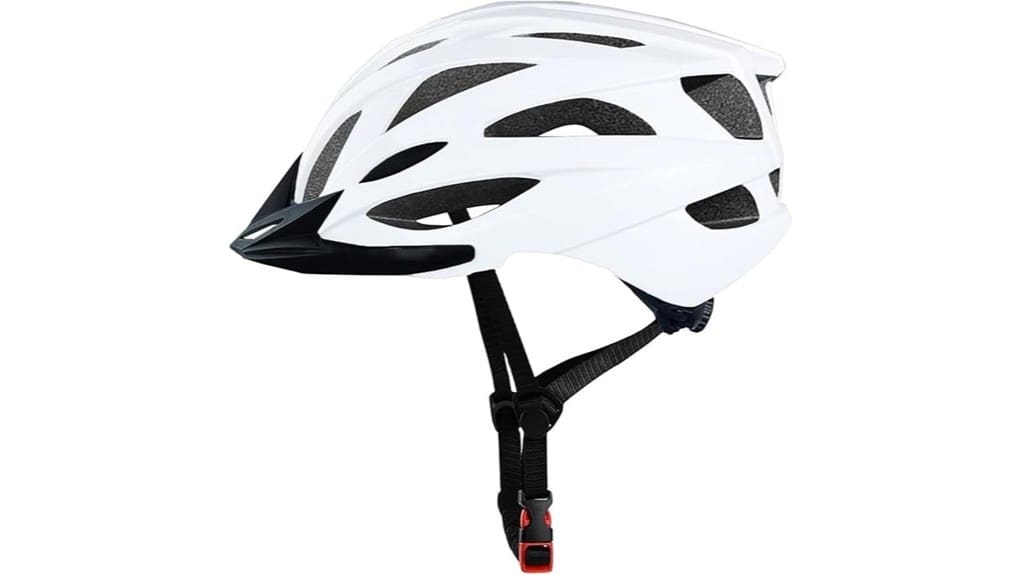
When choosing an adult bike helmet, prioritize proven safety construction, low weight, and effective ventilation so you get protection without sacrificing comfort or performance. You want helmet materials—like a tough PC outer shell and dense EPS foam—that meet recognized impact standards to absorb shocks reliably. Aim for ultra-light options near 250 g with 24 vents to keep airflow high and fatigue low on long rides. Removable liners and visors boost comfort without compromising protection. Check compatibility with your riding style—commute, road, mountain, or e-bike—and verify after-sales support so you can ride free and confident. Consider also choosing helmets from retailers that specialize in helmet picks to ensure product selection and expertise.
How Helmet Fit and Retention Systems Affect Comfort and Protection
Because a helmet only protects as well as it fits, getting the retention system and strap adjustments right is essential for both comfort and safety. You want a snug, stable fit that won’t shift in a crash but won’t pinch during long rides. Use the dial adjustment to fine-tune rear tension quickly; it lets you lock the shell to your head without over-tightening. Adjust side and chin straps so the Y sits just below your ear and the buckle rests comfortably under your jaw — strap comfort matters. Test fit before every ride; a correct setup frees you to ride confidently and safely. Many commuter cyclists also prefer helmets with integrated reflective accents for added visibility during dawn and dusk rides.
Top Helmet Types by Use: Commuter, Road, Mountain, and E‑Bike Options
If you ride different styles or routes, choosing the right helmet type can improve safety and comfort without compromising performance. For urban commuting pick lightweight, well-ventilated models with reflective details and optional visors that suit city stops and bike lanes. Road helmets focus on aerodynamics and ventilation for long rides and speed. Mountain options add tougher shells, better coverage and full face variants for downhill protection. E‑bike riders want sturdier construction and integrated lights or mounts for higher speeds. Consider cargo helmets if you haul loads or passengers. BMX styles prioritize impact resistance and a compact fit for tricks and short bursts. Also, proper fit and retention systems are essential for effective protection and comfort, so always choose a helmet with an adjustable fit system and the right size.
Quick Comparisons: Recommended Models in Each Category With Pros and Cons
Although each rider’s needs vary, you’ll find a clear top pick for commuters, road cyclists, mountain bikers, and e‑bike users based on construction, ventilation, weight, and fit. For commuters: a low‑profile model with durable PC shell, washable liner, and broad color options — pros: comfort, urban visibility; cons: less ventilation than road helmets. Road: ultra-light 250 g, 24 vents, aerodynamic styling — pros: speed and cooling; cons: minimal visor. Mountain: robust EPS foam, detachable visor — pros: protection and shade; cons: slightly heavier. E‑bike: reinforced construction for higher-impact scenarios — pros: extra safety; cons: bulkier fit. Helmets that meet recognized safety standards and proper fit adjustments are essential for effective protection, so check for safety certifications when choosing a model.
Care, Replacement Timing, and How to Test Your Helmet Before Buying
Maintaining your helmet properly and knowing when to replace it keeps you safe on every ride, so make care and inspection part of your routine. You should follow cleaning tips: use mild soap, a soft cloth, and remove the washable liner; avoid solvents that degrade EPS foam. Replace helmets after any significant crash or if impact indicators show compression or visible cracks. Also swap helmets every 3–5 years depending on use and UV exposure. Before buying, test fit with the dial system, fasten straps snugly, press for movement, and check ventilation and visor fit to guarantee freedom and protection. For specific features and fit guidance, consider helmets designed for mountain bike riding and their tailored ventilation and visor options.
Some Questions Answered
Do Helmets With Visors Affect Helmet Safety Certifications?
Yes — adding a visor can affect certifications if it changes impact behavior or obstructs ventilation; you’ll want helmets that meet visor standards and keep certified shell and EPS integrity. Manufacturers usually include visors in field testing to verify safety under real conditions. Check labels and tests before buying, and make sure the visor is designed for that helmet so you don’t void certification or compromise protection.
Can I Use a Bicycle Helmet for Electric Scooter Riding?
Yes — you can use a bicycle helmet for electric scooter riding if it meets impact standards and offers electric scooter specific protection you need. Choose one rated for urban commuting with road compatibility, durable shell, dense EPS foam, good ventilation, and an adjustable fit. You’ll want ultra-light comfort, a secure retention dial, and visibility features. If you crave freedom, prioritize certified protection over looks to ride confidently.
Are There Helmets Designed Specifically for Long Hair or Ponytails?
Yes — you can get ponytail friendly, longhair compatible helmets. You’ll find models with rear cutouts, higher back profiles, or adjustable dial systems that let a ponytail pass through comfortably while keeping the helmet secure. Choose ultra-light, well-ventilated options and test fit with your usual hairstyle; look for adjustable straps and removable liners for comfort. You’ll maintain protection without sacrificing freedom or airflow on every ride.
Do Removable Liners Change Crash Protection Over Time?
Yes — removable liners can affect crash protection over time. You’ll notice liner degradation and padding compression with use, washing, or sun exposure, which reduces shock absorption. Inspect liners regularly; replace them if foam feels hard, crushed, or uneven. Follow manufacturer care instructions, avoid harsh detergents, and swap in replacement liners when needed to keep impact performance reliable and maintain your freedom to ride confidently.
Is Helmet Warranty Coverage Transferable Between Owners?
No — warranty coverage usually isn’t transferable; ownership transferability is limited. You’ll want to check the manufacturer’s policy, but most warranties tie to the original purchaser and list warranty limitations like registration requirements, proof of purchase, and non-transferability after resale. If you’re buying secondhand, insist on original receipts and written confirmation. That way you’ll protect your freedom to ride without surprises and understand any coverage gaps.