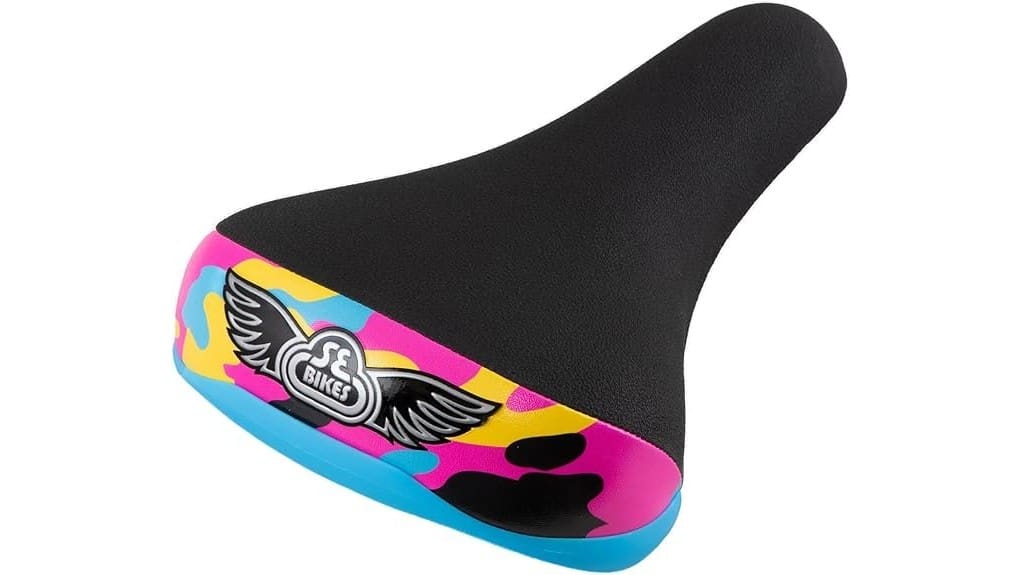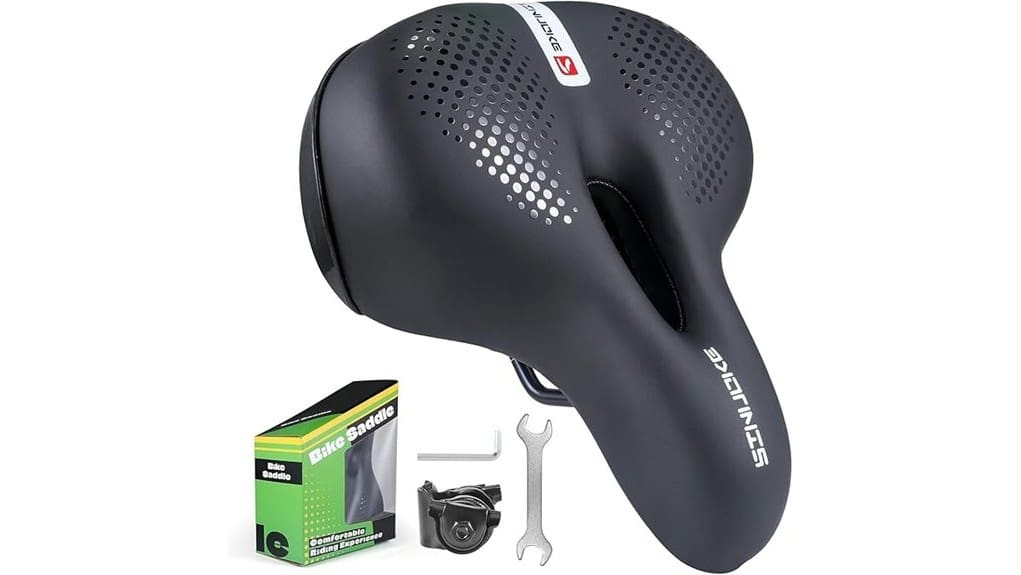
You’ll want a saddle that matches your sit-bone width, pelvic angle, and riding style, not just cushioning claims. Prioritize adjustability, a 5-zone layout that relieves perineal pressure, and firm high-density foam with a gel top for shock absorption. Choose narrow, firmer profiles for road power, slightly firmer durable builds for MTB, and thicker gel with ventilation for commuting or indoor use. Check rail spacing and clamp fit for easy installation, and keep reading to learn specifics.
Some Key Takeaways
- Choose saddle width based on sit-bone spacing and riding posture for proper support and reduced numbness.
- Prefer 5-zone ergonomic padding with gel plus high-density foam for balanced pressure relief and shock absorption.
- Match saddle shape to rider type: narrow/firm for road, slightly firmer for mountain, thicker gel and ventilation for commuting.
- Verify rail spacing, clamp compatibility, and frame clearance before purchase to ensure easy installation and fit.
- Look for reinforced rails, waterproof cover, central airflow, and durable stitching for long-term performance and comfort.
How to Pick the Right Bike Seat for Your Body and Ride
When choosing a bike seat, start by matching the saddle’s shape and padding to your riding style and anatomy so you won’t end up with numbness or pain. You’ll assess saddle width against sit-bone spacing and intended posture: narrower for aggressive forward leans, wider for upright touring. Check pelvic angle—more forward tilt favors performance saddles, neutral tilt suits relaxed rides. Try short tests at varied intensities; notice pressure points, chafing, and alignment. Prioritize adjustability and fit over cushioning claims. Pick a seat that lets you move freely, keeps you centered, and supports the specific miles you want to ride. Many riders find that choosing from a range of comfort saddle designs tailored to touring and casual cycling improves long-term comfort.
Why Cushioning, Support, and 5-Zone Design Matter
Because your sit bones and soft tissue take the brunt of every ride, effective cushioning and a 5-zone support layout let you ride longer with less pain and fewer pressure hotspots. You’ll feel how 1.65-inch gel and reinforced foam absorb shocks while high-density foam preserves shape over months. The 5-zone ergonomic pattern targets sit bones, perineal area, and thighs to improve posture and reduce fatigue. Pressure mapping shows where you need relief, guiding neutral zones and firmer supports for balanced contact. This gender neutrality in design lets you pick a single seat that prioritizes comfort, performance, and freedom. The right saddle can transform your ride by balancing comfort and speed with a design focused on ergonomic support.
Which Seat Features Suit Different Riders and Uses (Commute, Road, MTB, Indoor)
Now that you know how cushioning and a 5‑zone layout relieve pressure and preserve posture, let’s match those benefits to real riding needs. For commuting you’ll want cruiser comfort—thicker gel and ventilation for sweat-free, upright rides. Road riders prefer narrow saddles with firm, high‑density foam to maintain power and reduce chafing on long efforts. MTB demands durable rails, impact absorption, and a slightly firmer profile for control on rough trails. For indoor training prioritize ventilation, waterproof cover, and consistent cushioning to prevent hotspot build-up during long sessions. Choose the feature set that aligns with your riding style and sense of freedom. Many riders also consider saddle width and sit-bone measurement when selecting a seat to ensure proper support and comfort for their anatomy, so check your sit-bone width before buying.
Fit, Compatibility, and Simple Installation Tips for Most Bikes
If you want a hassle-free swap, this seat’s standard 11.02 × 7.08 × 2.95 in profile and included tools make compatibility and installation straightforward for most bikes. You’ll use a simple fit checklist: rail spacing, seatpost clamp type, and frame clearance. Slide the rails into your clamp, tighten hand tools, then test tilt and fore-aft position. Expect quick adjustments—minor tweaks get the angle and reach right in minutes. The low weight and standard rails mean it suits road, mountain, folding, indoor, and many BMX setups. You’ll enjoy a fast, confident upgrade that frees your ride. Many riders pair this upgrade with a front basket for extra cargo space; see our guide to front bike baskets for options and mounting tips.
Durability, Ventilation, and Visibility: What to Expect Long-Term
When you ride regularly, this seat’s reinforced dual rails and high-density foam keep their shape and absorb impacts without sagging, so you won’t be replacing it after a few months. You’ll notice minimal material aging thanks to waterproof covers and tough stitching; rail fatigue is unlikely under normal loads, so the saddle stays stable. Central airflow limits moisture buildup, keeping you dry on long, hot rides and preserving padding. Reflective longevity is good—the integrated elements resist peeling and remain visible after washes. Overall, the seat balances durability, ventilation, and lasting visibility so you can ride free. This makes it a great option for cyclists looking for a reliable road saddle for regular riding.
Some Questions Answered
Can This Saddle Be Used With a Suspension Seatpost?
Yes — you can use this saddle with a suspension seatpost, provided your post clamps accept standard rails. The reinforced dual rails offer solid rail compatibility and withstand impact while maintaining comfort. Check your post travel: long travel can change saddle angle or pressure points, so tighten clamps and test for proper fore/aft position. You’ll get durable support, good shock absorption, and confident visibility for freeride-style freedom on varied terrain.
Is the Cover Material Hypoallergenic?
Yes — the cover material’s designed to be skin-friendly, but you should check specific hypoallergenic testing and allergen certification for your batch. You’ll appreciate the waterproof, breathable fabric that minimizes irritants and sweat buildup. If you’re highly sensitive, request the manufacturer’s test reports or third-party allergen certification before buying. That way you’ll stay confident, free to ride hard without worrying about allergic reactions or long-term irritation.
How Does Temperature Affect Foam Firmness Over Time?
Temperature speeds thermal aging of foam, so you’ll notice gradual foam compression and firmer feel in hot conditions and embrittlement in extreme cold. You’ll get reduced rebound and support after repeated heat exposure, while cooler storage slows degradation and preserves cushioning. To retain comfort and freedom on rides, avoid prolonged heat or sunlight, store the seat in a cool dry place, and rotate usage to minimize uneven compression over time.
Are Replacement Rails or Covers Available Separately?
Yes — you can get replacement rails and do cover swaps, though availability varies. You’ll want OEM rails for fit and strength; aftermarket options exist if you prefer lighter or cheaper upgrades. Covers can be swapped for refresh or style, but check dimensions and attachment methods so installation’s painless. Order from the manufacturer or reputable retailers, and keep original tools handy to maintain the seat’s safety and comfort during the change.
Will the Seat Fit Child-Sized or Compact Bike Frames?
Yes — you can usually fit it on smaller bikes, but check measurements first. With standard dimensions (11.02 x 7.08 x 2.95 in), the seat offers decent child fit compatibility for many compact frame sizing setups, though very tiny kids’ frames or unusual rail mounts might need adapters. You’ll enjoy sturdy rails and included tools for straightforward installation, giving you freedom to swap seats confidently while ensuring secure, comfortable rides.