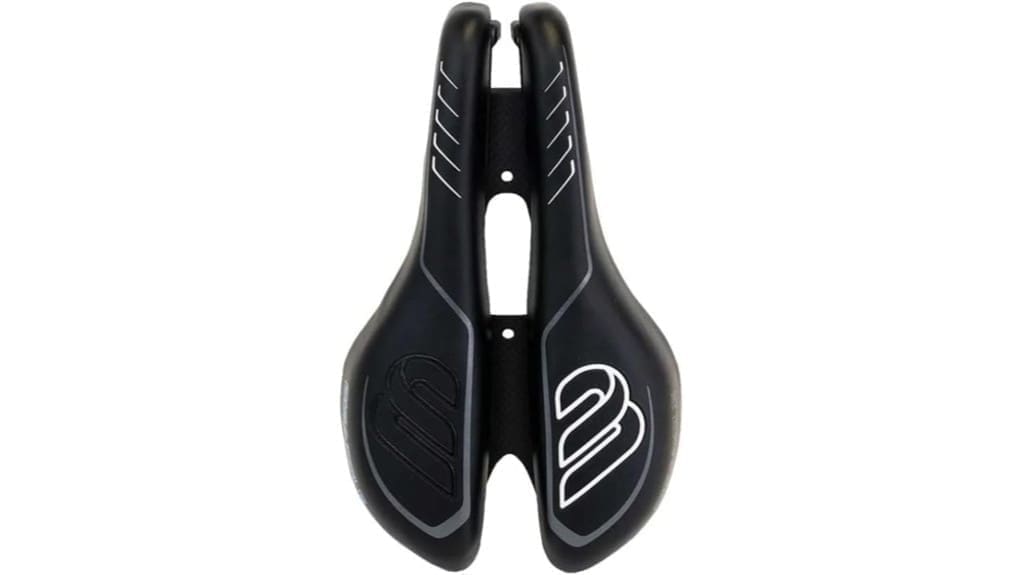
You’ll find the Bisaddle EXT Sprint Road worth considering if you want speed, reduced perineal pressure, and cross‑discipline fit. Its short‑nose shifts contact rearward, encouraging a lower torso and more direct power transfer while easing soft‑tissue loading, which many riders say cuts numbness and hotspots on long efforts. It suits aggressive road, TT, sprint, and e‑bike use but may change pedal feel for some. Keep the fit checklist handy if you want specifics and setup tips.
Some Key Takeaways
- Excellent for riders prioritizing speed and aero positioning, thanks to its short-nose geometry that promotes over-crank seating.
- Noticeably reduces perineal pressure and numbness on long rides, with broader sit-bone support and lower peak pressure.
- Shifts contact rearward, increasing glute and hamstring engagement and potentially making power delivery more direct.
- Versatile across road, MTB, e-bike, and tri setups, though testers recommend a test fit for individual biomechanics.
- Fit checklist: match saddle width to sit-bones, confirm rail material/clamp compatibility, and verify fore/aft and tilt adjustment.
Quick Verdict : Is the Bisaddle EXT Sprint Road Worth Buying?
While no saddle fits every rider, the Bisaddle EXT Sprint Road is worth buying if you prioritize speed, pain-free positioning, and adaptability across disciplines. You’ll find objective evidence: riders report extended miles, reduced numbness, and compatibility with road, MTB, e-bike, and tri setups. Weigh performance tradeoffs—short-nose benefits for pressure relief may alter pedal dynamics for some—against endurance gains. Aesthetic considerations are secondary but present; the saddle’s minimalist profile suits sleek builds. If you value freedom to ride farther and pain-free, this saddle offers measurable advantages, though you should test fit to confirm personal biomechanics. The site specializes in comfort bike saddles and related products for riders seeking improved comfort and performance.
How the Short-Nose Design Affects Speed, Posture, and Power
Because the short-nose geometry shifts your contact point rearward, it alters how you load the pelvis and transfer force to the pedals, often improving aerodynamic posture without forcing excessive spinal flexion. You’ll sit more over the crank, which shortens torso angle and reduces frontal area—measurable aerodynamics impact for sprint and road efforts. That position nudges different muscle activation patterns: increased glute and hamstring engagement, slightly less hip flexor strain. Power delivery can become more direct if your fit’s correct, but gains depend on adaptation; test sessions and incremental adjustments will show whether speed and comfort improve together. A well-chosen saddle tailored to your riding style can make longer rides noticeably more comfortable and efficient, especially when shopping for bike seats.
Real-World Comfort and Health Results : Riding, Numbness, and Saddle Sores
Frequently, riders report that the Bisaddle EXT noticeably reduces numbness and soft-tissue pressure during long efforts, and these observations align with its short-nose geometry and redistributed sit-bone loading. You’ll notice pressure mapping data often shows lower perineal peaks and broader sit-bone contact, translating to fewer hotspots on extended rides. In practice, you should experience reduced numbness, fewer chafing events, and a marked drop in saddle-sore incidents versus traditional shapes. Recovery time after hard sessions tends to shorten when soft-tissue trauma is minimized. Evaluate objectively: fit, setup, and riding position still determine individual outcomes.
Who Benefits Most : Road, Sprint, TT, E‑Bike, and Commuting Fit Guidance
When you choose a saddle for road, sprint, time-trial, e‑bike, or commuting use, match the Bisaddle EXT’s short‑nose, sit‑bone‑focused geometry to your typical position and power output. You’ll find it favors aggressive road and sprint positions by freeing perineal soft tissue and maintaining pedaling efficiency; TT riders benefit from stable forward loading. E‑bike and commuting users gain relief during upright or mixed posture rides, especially with varied seasonal clothing layers. Its gender neutral ergonomics suit diverse anatomies without prescribing a sexed model. Evaluate your usual posture, ride duration, and pressure points to decide if this fit advances your freedom on the bike. Consider how the fork and saddle together affect handling and comfort to create the best overall ride experience and bike fit with fork selection.
Buyer’s Checklist : Sizing, Rails, Adjustments, and Alternative Saddles
Now that you’ve matched the EXT’s short‑nose geometry to your riding posture and goals, focus on the technical fit factors that determine real-world performance: correct size, rail material and diameter, clamp compatibility, and adjustability range. You’ll check saddle width against sit-bone spacing, use fit tools for dynamic assessment, and confirm nose length suits your pelvic tilt. Compare rail materials (steel, titanium, carbon) for weight, flex, and clamp limits. Verify your seatpost clamp accepts the rail diameter and allows sufficient fore/aft and tilt adjustment. Finally, consider alternative saddles with similar short‑nose profiles if you need different flex or padding. For more precise sizing decisions, consult sit‑bone measurement data and tool guides to match saddle width and shape to your anatomy.
Some Questions Answered
Does the Saddle Come With a Warranty or Satisfaction Guarantee?
Yes — the saddle includes warranty options and a satisfaction guarantee. You’ll get clear terms covering manufacturing defects and limited coverage duration; read the fine print for exclusions and claim procedures. The satisfaction guarantee lets you test comfort and fit, with return or exchange pathways if it doesn’t meet expectations. You’ll want to register the product and keep proof of purchase to streamline any warranty or guarantee claim.
Is the Bisaddle Compatible With Clipless Pedals and Cleat Positioning?
Yes — the saddle works with clipless pedals and supports precise cleat alignment and broad pedal compatibility. You’ll position cleats on your shoes independently of the saddle, but the short-nose design affects fore-aft hip placement, so you should test cleat fore-aft and float to match your pedaling biomechanics. Evaluate stem length and saddle setback too; small adjustments will optimize power transfer, comfort, and freedom of movement while minimizing pressure hotspots.
What Materials and Manufacturing Country Are Used in the Saddle?
The saddle uses carbon fiber rails and a composite shell with gel padding in the contact area; production is carried out in Taiwan. You’ll find carbon fiber where strength and lightness matter, while gel padding cushions pressure points for longer rides. You can evaluate durability as high and comfort as targeted for aggressive positions. This combo supports performance-oriented cyclists who want reliable build quality and a freer, less constrained riding experience.
Can the Saddle Be Used Comfortably for Spinning or Indoor Trainer Sessions?
Yes — you can use it comfortably for spinning or indoor trainer sessions. You’ll appreciate its indoor ergonomics: the short-nose profile reduces soft-tissue pressure in aggressive positions, while padding and shape support varied contact points. Sweat management is effective thanks to materials that wick and resist slippage, keeping you stable during intervals. Objectively, it adapts well to long trainer efforts, offering pain reduction and consistent positioning for freedom-seeking riders.
Are Replacement Covers or Pads Available Separately?
Yes — you can buy replacement options and padding upgrades separately. You’ll find replaceable covers and a few foam/gel upgrade pads sold by the manufacturer or authorized dealers. You’ll want to check compatibility with your short-nose shell and rail mount, compare thicknesses and materials, and confirm whether installation requires tools. Evaluate longevity, weight, and breathability to choose the cover or pad that preserves comfort and riding freedom.