You’ll find the BLUEWIND New Noseless Oversized Bike Seat gives you wide, well‑padded support that eases sit‑bone pressure and cuts thigh rub with its short‑nose profile. The 13″ platform, 7 cm foam and double shock absorption boost comfort on road, trail and indoor bikes without bottoming on long rides. Installation’s straightforward with standard posts or adapters, though check clamp clearance. It’s great for commuters and long‑distance riders, and keep going if you want detailed fit and alternatives.
Some Key Takeaways
- Oversized 13″ noseless saddle spreads load across sit bones, improving long-ride comfort and reducing tailbone pressure.
- Short noseless profile increases thigh clearance, minimizes chafing during sprints and climbs.
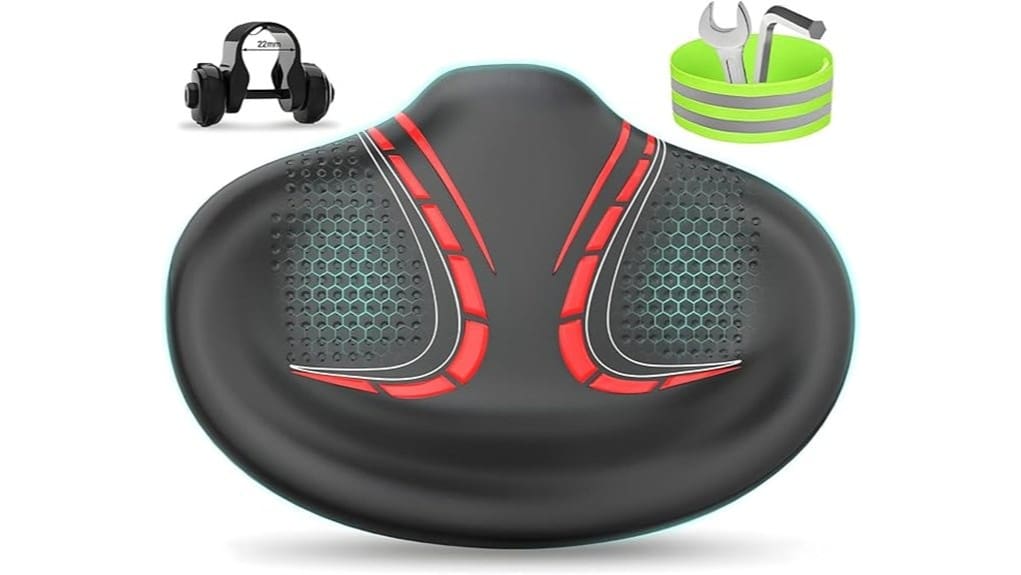
- 13×9×5″ cushion with 7 cm foam and double shock absorption prevents bottoming and enhances damping.
- Compatible with most bikes and trainers if seat post, clamp, and adapter sizing are confirmed before installation.
- Best for frequent commuters and endurance riders seeking pelvic relief; tradeoff is reduced forward pedaling efficiency.
Quick Verdict and What to Expect From This Review
While it won’t suit every rider, the BLUEWIND Noseless Oversized Bike Seat delivers clear benefits: you’ll get wide, well-padded support, improved shock absorption, and a short noseless design that reduces thigh rubbing and tailbone pressure for long rides. You’ll find this quick verdict frames practical ride impressions and aligns with buyer expectations. I’ll evaluate comfort, fit, and durability for various bikes, focusing on how freedom of movement and long-ride resilience matter. Expect concise assessments, real-world notes on shock control and thigh clearance, and clear advice on who gains most from this seat versus who should look elsewhere. This review is part of a site dedicated to helping riders find the perfect bike seat for comfortable rides.
Key Specs and What They Mean for Comfort and Riding
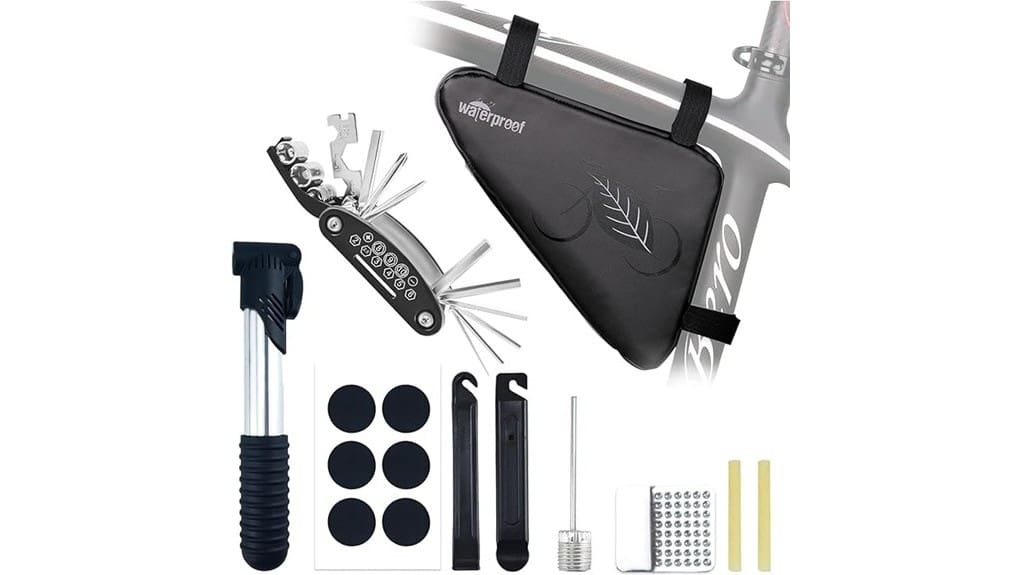
Building on the quick verdict, let’s unpack the specs that actually shape your ride: the oversized 13″ width, 13×9×5″ cushion, 7 cm foam, short noseless profile, double shock absorption, and microfiber cover all work together to change pressure distribution, thigh clearance, and vibration damping. You’ll feel broader support from the 13″ platform—cushion ergonomics that spreads load across your sit bones and reduces tailbone stress. The 7 cm foam balances softness and foam resilience so it won’t bottom out on long stretches. Short nose frees your thighs; double shocks and microfiber improve damping and grip for freer, more confident riding. Pack a few essential tools in your kit for roadside fixes and longer rides.
How the Noseless Oversized Design Performs on Road, Trail, and Indoor Bikes
Because the BLUEWIND noseless oversized seat shifts support rearward and widens your contact area, you’ll notice distinct differences across road, trail, and indoor riding: on road it reduces tailbone pressure and thigh rub for steady endurance miles; on trails the short nose and double shock absorption let you move more freely over bumps without the seat catching your legs; and on indoor bikes the broad, cushioned platform delivers stable, low-fatigue posture for long sessions. You’ll gain improved ride stability and better pressure distribution, with noticeable thigh clearance when sprinting or climbing. Indoors performance is solid—steady, cushioned, and fatigue-sparing for long workouts. Many riders pair noseless designs with a frame bag to carry essentials and balance weight distribution on longer rides frame bags.
Fit, Installation, and Compatibility Tips (Posts, Adapters, Measurement)
When choosing and installing the BLUEWIND noseless oversized seat, measure your seat post diameter first and confirm your bike uses a standard 7/8″ (round) post or a compatible adapter—this prevents buying the wrong fitting part. You’ll follow a simple compatibility checklist: post type, clamp clearance, and rail spacing. Measure post carefully, compare adapter sizing included, and note any extra spacers you need. Installation tips: use the supplied wrench, tighten evenly, and test tilt and fore-aft position before final torque. You’ll gain freedom on rides when fit’s right—secure, comfortable, and compatible across most bikes and indoor trainers. Find more guidance on achieving the perfect bike fit to ensure long-term comfort and performance.
Who Should Buy This Seat and Alternatives to Consider
If you ride frequently, suffer from saddle pressure, or want a more relaxed thigh sweep on long rides, this noseless oversized BLUEWIND seat is worth trying—its wide, cushioned platform and short nose reduce tailbone strain and chafing while fitting most bikes and trainers. You should buy it if you’re a commuter cyclist seeking comfort, a long distance rider protecting pelvic health, or anyone valuing steadier sit-bone support. Note ergonomic tradeoffs: reduced forward pedaling efficiency and altered bike fit. Alternatives include gel-topped noseless saddles, split-seat designs, or traditional narrow performance saddles if you prioritize cadence and aggressive positions. Many cyclists find that choosing the right saddle starts with measuring sit-bone width and matching it to saddle width and shape.
Some Questions Answered
Is the Cover Waterproof for Heavy Rain Exposure?
No — it isn’t fully waterproof for heavy rain exposure. You’ll want waterproof testing to confirm limits: the microfiber artificial leather is wear-resistant and resists daily rain, but prolonged downpours can seep through seams. The seam sealing is described as exquisite edging, yet it’s not sealed like a waterproof membrane. If you crave freedom on long wet rides, add a rain cover or store the seat under shelter to protect longevity.
Can I Use This Seat With a Child Bike or Tandem?
Yes — you can use it, but check fit and safety first. You’ll want to confirm the adapter and post size for child mounting and guarantee the 13″ oversized pad won’t interfere with pedaling. For tandem use, the short noseless shape helps thigh clearance and can improve tandem balance, but test stability under load (max 350 lb) and secure attachment. If anything feels loose, don’t ride until you fix it.
How Long Before Foam Starts to Compress Noticeably?
You’ll likely notice minimal change for several months; foam durability usually holds up through regular weekly rides for 6–12 months before softening. Compression timeline depends on weight, mileage and storage; heavier users or daily use may see faster settling. Expect ride comfort to remain high initially thanks to pressure mapping–optimized thickness and double shocks—but monitor for flattening that reduces support and increases thigh rub, then consider replacement.
Does the Seat Have Any Warranty or Return Policy?
Yes — you get coverage: warranty duration is typically listed by the seller, and many offer a limited warranty plus a return window for buyer confidence. You should check the product page for exact terms; if you value freedom to decide, pick a seller with at least a 30-day return window and clear warranty duration. Keep proof of purchase and test the seat promptly so you can return or claim if needed.
Is It Compatible With Suspension Seatposts?
Yes — it’s generally compatible with suspension seatposts, giving you added suspension compatibility while the seat’s upgraded shock absorption handles bumps. You’ll want to confirm your post diameter and adapter fit first, but pairing this roomy, short-nose saddle with a suspension post boosts comfort and preserves freer thigh movement. If you value long-ride freedom, this combo reduces tailbone pressure and increases overall smoothing on rough roads or trails.