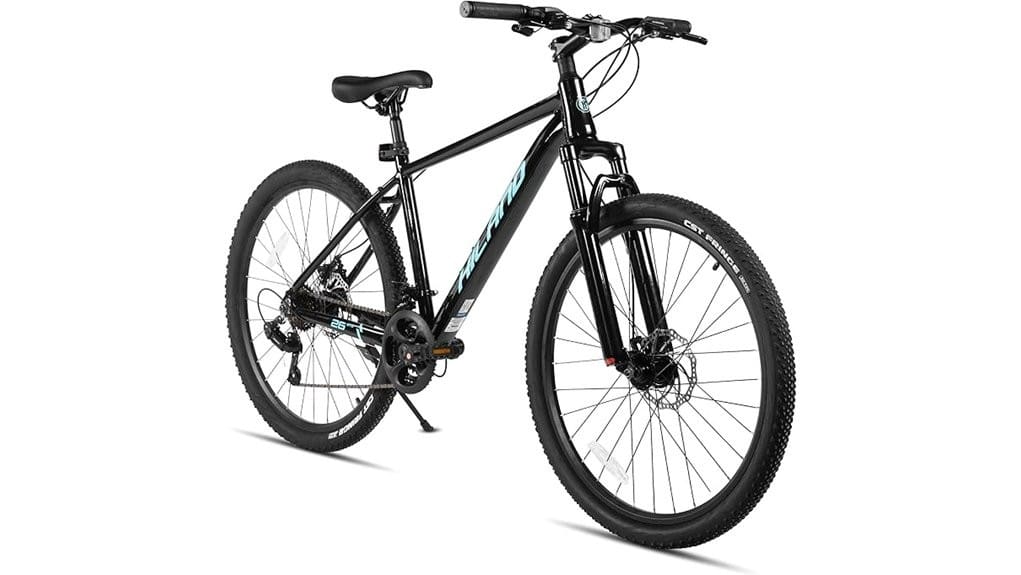
You’ll find the HILAND 26/27.5-inch mountain bike is a budget-friendly, versatile option with a durable carbon-steel frame, front suspension, 21-speed drivetrain, and dual disc brakes tuned for variable conditions. It ships ~85% assembled with basic tools and accessories; final setup needs alignment, brake/shift adjustment, and pedal fitting. Choose 26″ for nimble handling or 27.5″ for smoother rollover and taller riders. Keep in mind stock parts limit high-performance use—continue for full setup, sizing, and upgrade notes.
Some Key Takeaways
- Durable carbon-steel frame offers predictable stiffness but increases overall bike weight.
- Front suspension and 21-speed drivetrain handle mixed trails and urban riding reasonably well.
- Dual disc brakes provide reliable stopping power and good wet/muddy performance.
- 26″ wheels favor quick handling and nimble acceleration; 27.5″ wheels improve stability and rollover.
- Arrives ~85% assembled with basic tools and accessories; minor tuning and upgrades may be needed.
Quick Verdict: Who Should Buy the HILAND 26/27.5 Inch Mountain Bike
If you want a budget-friendly, versatile mountain bike for mixed trails and urban riding, consider the HILAND 26/27.5 Inch. You’ll get a durable carbon-steel frame, front suspension fork, 21-speed drivetrain and dual disc brakes tuned for variable conditions. Choose 26″ for quicker trail response or 27.5″ for taller riders and stability. This model suits urban commuters and beginner commuters seeking reliable performance, low maintenance and predictable handling. You’ll appreciate double-walled alloy rims and all-terrain tires that handle pavement and dirt. Overall, it’s a practical choice when you want freedom to explore without overspending or sacrificing control. For riders who enjoy more technical trails, consider exploring full suspension options for improved comfort and traction.
What You Get in the Box and How Easy the HILAND Bike Is to Assemble
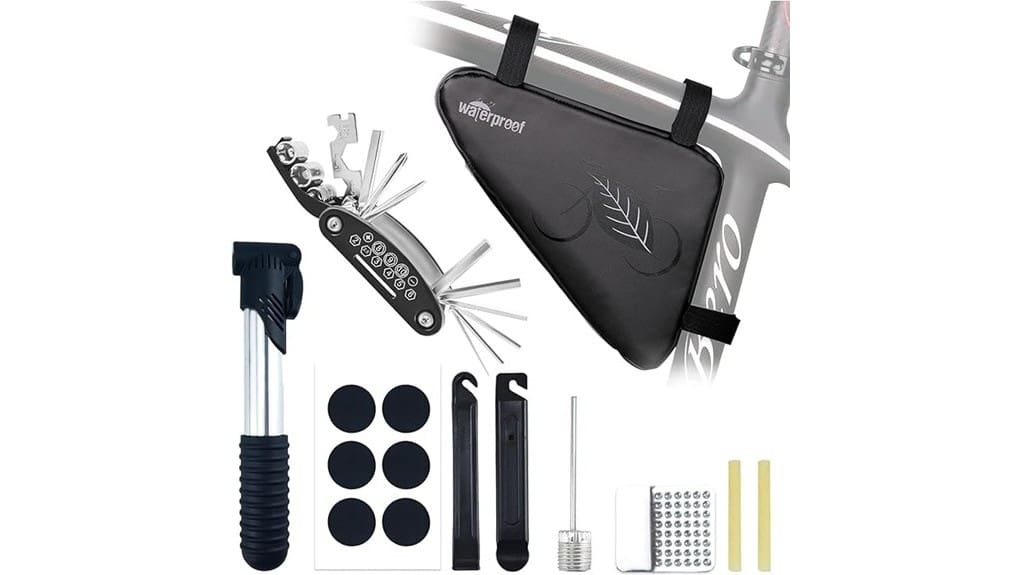
You’ll find the HILAND arrives about 85% pre-assembled, with pedals and basic assembly tools included to get you riding quickly. The box lists included accessories: pedals, saddle, handlebars, front wheel, reflectors, and an instruction sheet. Parts are packaged to prevent damage and layout simplifies inventory. Assembly is straightforward: align front fork, tighten stem and handlebars, attach pedals, adjust brakes and shifting. Tool quality is adequate for initial setup—allen keys and spanner handle basic torque—but you’ll want a torque wrench and cable truing tool for precise tuning. Overall, setup supports fast, confident deployment for independent riders. For casual cyclists, keeping an essential bike repair kit on hand can make post-assembly adjustments and maintenance much easier.
Frame, Suspension, Wheels and Brakes : Real-World Performance Breakdown
Having finished assembly, inspect the frame, suspension, wheels and brakes to verify they meet ride expectations. You’ll note the carbon steel frame offers predictable stiffness; minimal frame flex under seated climbs, though heavier than true alloy or carbon. Check front suspension travel and suspension tuning by compressing the fork and riding varying terrain — it soaks small impacts and stabilizes steering on rough sections. Double-walled alloy rims stay true under lateral loads; tire choice (26 vs 27.5) alters rollover and agility. Dual disc brakes deliver consistent modulation and stopping power in wet and muddy conditions. Maintain torque and bleed intervals for reliability. For riders choosing components, consider wheel size and construction for optimal handling and durability, especially when selecting Double-walled alloy rims.
Sizing Guide: Choose 26″ Vs 27.5″ and Fit Recommendations by Rider Height
Decide between the 26” and 27.5″ HILAND by matching wheel characteristics to your terrain and body size: the 26″ wheel gives quicker acceleration, tighter handling, and slightly lower standover suitable for riders around 5‘–6’, while the 27.5″ wheel rolls over obstacles more smoothly, increases stability at speed, and fits riders roughly 5’4″–6’3″.
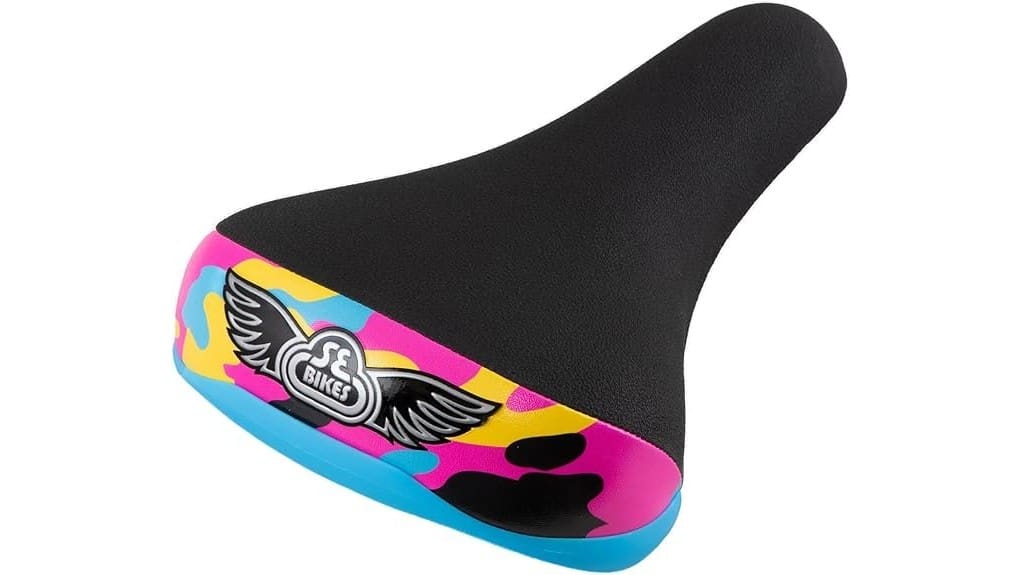
Choose 26″ if you prioritize nimble wheel handling and aggressive lines; it lets you shift weight quickly and maintain a compact rider posture for technical trails. Opt for 27.5″ to smooth rough ground, favor higher rolling inertia, and support a more relaxed posture for longer rides and mixed surfaces. The right saddle choice also matters for comfort and performance, especially for road cyclists looking for the perfect fit and support on long rides road saddles.
Pros, Cons, and Final Buying Recommendation (Best Use Cases and Value)
While the HILAND 26/27.5 delivers solid value for recreational riders, its mixed-material build and component set make it best suited for casual trail use, commuting, and entry-level off-road riding rather than aggressive enduro or competitive racing. You’ll appreciate reliable disc brakes, 21-speed gearing, and durable rims for urban commuting and light trail freedom. Downsides: steel frame weight, basic suspension, and stock components limit performance; battery range considerations only apply if you pursue electric conversion—plan for reduced efficiency. Recommended if you want affordable versatility and plan modest upgrades via aftermarket parts for comfort and capability. Check our guide to mountain bike gear to choose accessories that match these use cases.
Some Questions Answered
Does the Bike Include a Warranty or Customer Support Contact?
The listing doesn’t specify warranty details or direct support contacts; you won’t find explicit warranty duration or a dedicated phone/email in the provided info. You should contact the seller or HH HILAND through the marketplace messaging system for warranty verification and support contacts. Keep records of purchase and serial numbers; they’ll be required for claims. If you want stronger protection, consider adding third-party extended coverage or buyer protection through the platform.
Can I Mount a Rear Rack or Fenders on This Frame?
Yes — you can mount a rear rack and fenders if the frame has rear rack and fender mounts. Inspect the seatstay and dropout areas for threaded eyelets and a brake bridge mounting point. Use racks that match the 26″/27.5″ wheel clearance and confirm fender width for the all-terrain tires. You’ll retain cargo freedom by choosing hardware rated for the rack load and using vibration-resistant fittings for long, reliable rides.
What Is the Bike’s Total Weight Including Accessories?
The bike’s total weight with typical accessory load is about 33–38 lbs (15–17 kg). You’ll carry the 26/27.5-inch frame, front fork, 21-speed drivetrain and dual disc brakes; add rack, fenders, lights and a basic pannier set to reach the upper range. You can reduce weight by choosing lighter accessories; for touring gear expect extra 5–15 lbs depending on capacity and materials. Adjust tire size for slight variance.
Are Replacement Parts (Brake Pads, Derailleur) Readily Available?
Yes — you’ll find replacement brake pads and derailleurs with good aftermarket compatibility, and local availability is common at bike shops and online retailers. You can swap in standard disc brake pads and Shimano-compatible 21-speed derailleurs or equivalents; just confirm mount type and cable/hydraulic specs. Keep spare parts on hand to preserve riding freedom, and use a local shop for fitment if you’re unsure about compatibility or precise adjustments.
Is the Bike Suitable for Light Bikepacking or Overnight Trips?
Yes — you can use it for light bikepacking and expect reasonable overnight comfort. The 21-speed drivetrain, dual disc brakes, front suspension fork, and all-terrain tires handle varied terrain and loaded weight. Frame and double-walled alloy rims are durable, though carbon steel is heavier than alloy. Pack modest loads, keep center of gravity low, and adjust suspension for comfort. You’ll get reliable performance for short, self-reliant trips.