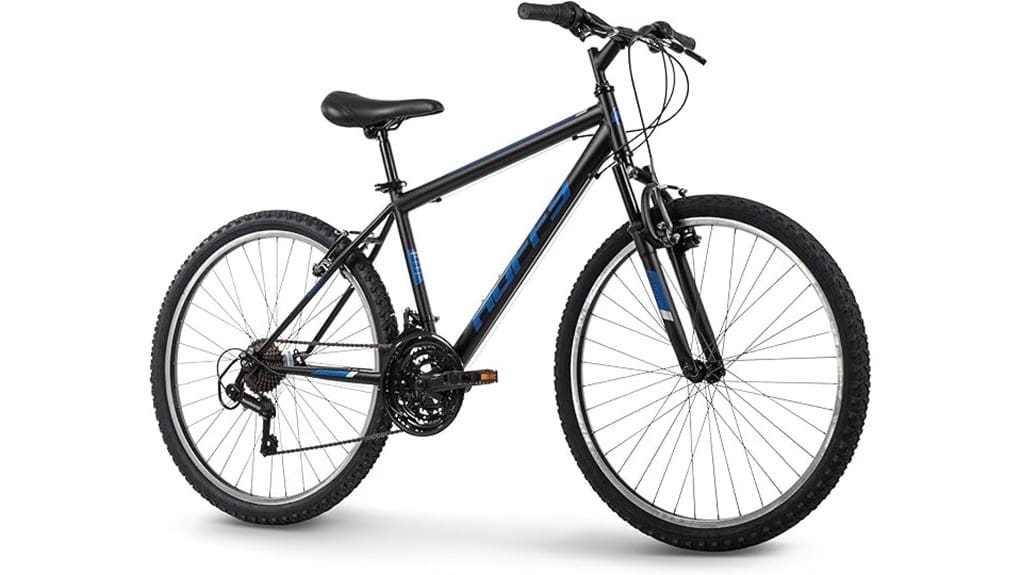
You’ll find the Huffy Stone a budget-friendly, no-frills mountain bike that suits commuters, casual trail riders, and growing cyclists. Pick 20″, 24″, or 26″ based on fit and intent; 6-speed for simple, low-maintenance rides, 21-speed for mixed terrain and climbs. Front suspension is measured—firm under load, forgiving on hits—and tires grip hardpack and gravel. Frame and components punch above price but aren’t race-grade. Keep reading for sizing, drivetrain, and upgrade advice.
Some Key Takeaways
- Offers 20″, 24″, and 26″ wheel options to match rider size and intent.
- 26″ model has a 21-speed Shimano drivetrain for varied terrain and steep climbs.
- Front suspension is measured—firm under load yet forgiving over bumps for predictable steering.
- All-terrain tires and upright geometry suit mixed trails and commutes, not aggressive technical singletrack.
- Strong components-per-dollar in 24″ and 26″ sizes, with modest resale value and easy upgrade potential.
Huffy Stone Overview : Models, Sizes, and Who Each Fits
Although Huffy offers the Stone in several configurations, you’ll pick the right one by matching wheel size and gearing to the rider and terrain. You’ll choose 20” with 6-speed for smaller kids needing simple, durable shifting; 24” suits growing riders—youth fitment that bridges child and teen, with practical gearing for commutes and trails. The 26” targets adults seeking a straightforward entry-level mountain bike with 21-speed Shimano precision. Huffy’s design stresses gender neutrality, avoiding prescribed styling so you can pick by fit and function. Be critical: match wheel, drivetrain, and rider intent before buying. The site also carries a range of accessories and parts useful for folding bike riders.
Ride and Handling : Suspension, Tires, and Real-World Performance
Feel the difference the Stone’s front suspension makes on rougher paths: it soaks up bumps and chatter enough to keep steering predictable and your hands from tiring on short-to-moderate rides. You’ll notice measured suspension responsiveness—firm under load, forgiving on hits—so momentum stays stable without vague feedback. All-terrain tires deliver confident tire traction on hardpack and gravel, though they don’t substitute for aggressive knobs on technical singletrack. Frame geometry favors control and an upright stance, letting you explore farther without strain. Overall, the package suits riders seeking freedom on mixed terrain, with competent damping and reliable grip for everyday trail riding. The bike pairs well with accessories and replacement parts from shops that specialize in full suspension mountain bike gear like those found at Mastering Full Suspension.
Drivetrain and Shifting Performance : Shimano 6-Speed vs 21-Speed Experience
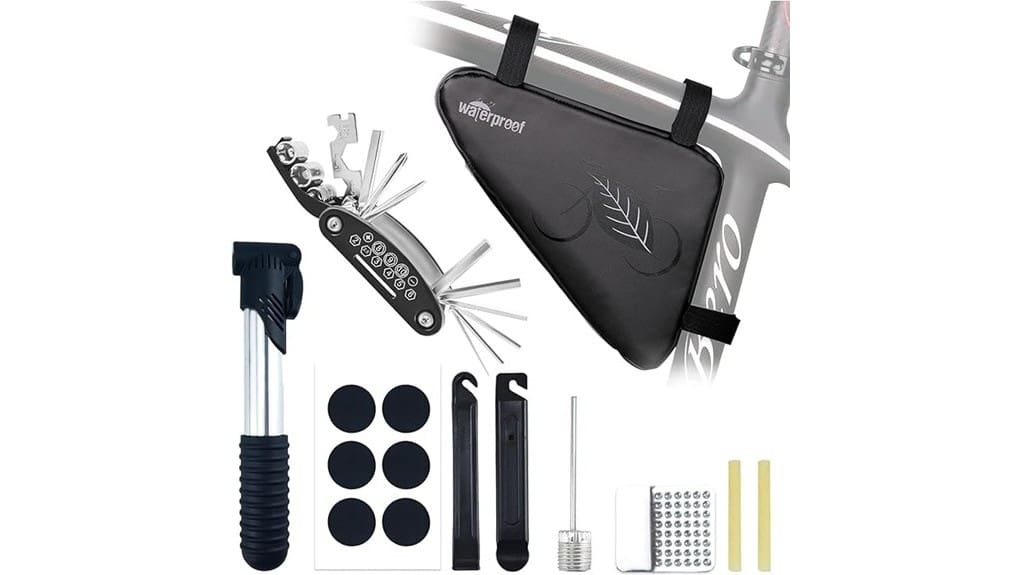
Compare the Shimano 6-speed and 21-speed setups by thinking about the terrain and cadence you ride most. You’ll find the 21-speed offers a wider gear range for steep climbs and varied trails, letting you maintain efficient cadence without fighting the hill. The 6-speed suits flatter routes and simpler needs, keeping things light and predictable. Shift feel on both is Shimano-solid, though the 21-speed’s indexed twist shifters deliver crisper, more nuanced shifts under load. If you crave freedom to tackle mixed terrain, choose the 21; if you want simplicity and lower maintenance, the 6-speed won’t hold you back. Essential bike tool kits can help you handle on-trail adjustments and maintenance with confidence, especially when carrying a compact tool kit for quick repairs.
Comfort, Build Quality, and Durability : Frame, Saddle, and Long-Term Use
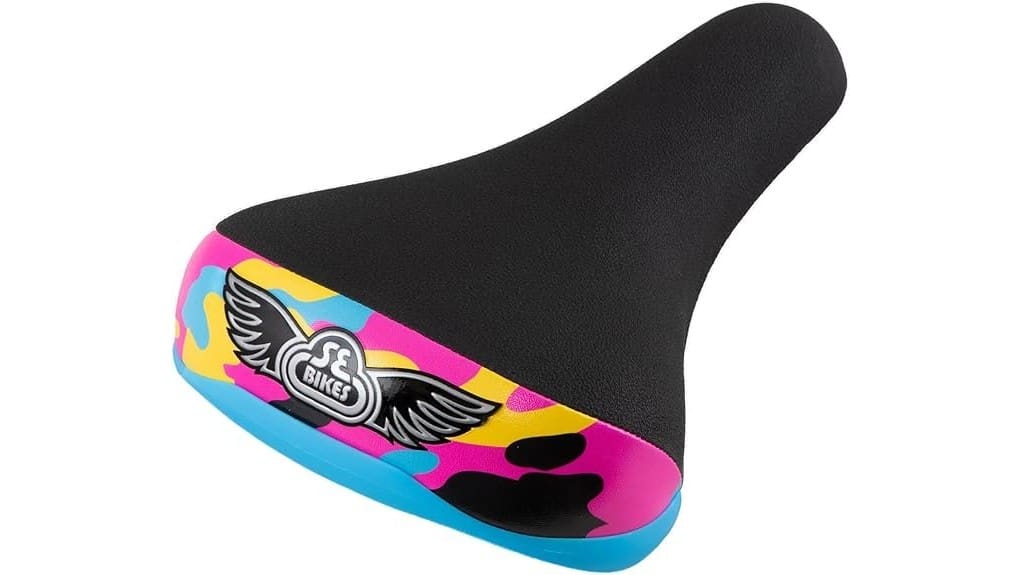
While the Stone’s bold charcoal gloss frame looks solid, you’ll notice its true value in how it balances sturdiness with ride comfort: the frame’s construction resists flex on climbs and rougher trails, keeping steering predictable without transferring excessive vibration to the rider. You’ll appreciate the adjustable, comfort padding saddle that reduces saddle pressure on longer outings, though heavier riders may still feel localized numbness over time. Frame corrosion seems minimal with routine cleaning, but watch bolts and welds for early usage wear. Overall, the build favors dependable freedom: rugged enough for trails, approachable for daily use, yet not indestructible. If you’re shopping for accessories, consider upgrading the saddle with bike seat options designed for long-distance comfort.
Buy or Skip? Price-to-Value Verdict and Size-Based Buying Tips
Because the Stone delivers a lot of trail-capable features for a modest price, you’ll often get more value than you might expect from an entry-level mountain bike—especially in 24” and 26″ sizes where the 21-speed Shimano drivetrain and front suspension make climbs and mixed terrain manageable. You should buy if you want reliable, affordable freedom on trails and commutes: the 24″ suits growing riders; 26″ fits most adults. Do a budget comparison against basic competitors—Stone usually wins on components per dollar. Expect modest resale value; upgrade key parts if you plan to flip it later. Consider wheel choice carefully for ride quality and efficiency, especially when comparing road bike wheels to stock options.
Some Questions Answered
Does the Bike Include a Warranty or Manufacturer Support?
Yes — it comes with a limited warranty, and you can contact customer support for defects or parts issues. You’ll want to read the warranty terms carefully, since coverage varies by component and model. If you value freedom on trails, confirm duration, what’s excluded (wear, crashes), and whether proof of purchase is required. Reach out to customer support promptly for claims; keeping records and photos speeds resolution and preserves your riding independence.
Are Replacement Parts Widely Available for These Models?
Yes — replacement parts are generally available, but you’ll want to check fit first. Huffy uses common components so aftermarket upgrades are realistic; tires, saddles, brakes and Shimano drivetrain pieces have good component compatibility with many mass-market parts. You can freely swap in better brakes, tires or a nicer saddle, though some suspension or proprietary fittings may limit choices. Be critical: verify specs before buying to avoid surprises.
Can the Bike Accommodate a Rear Rack or Fenders?
Yes — you can add a rear rack and fenders, but check fit first. You’ll appreciate the bike’s rear rackability on models with mounting eyelets and a sturdy frame; if eyelets are absent, you’ll need clamp-on racks. Fender compatibility depends on fork clearance and tire width; front suspension and wider all-terrain tires may limit full-coverage fenders. You’ll want precise measurements to guarantee secure, vibration-free mounting for true freedom riding.
What Is the Total Weight of Each Size/Model?
Exact total weight varies by model: the 20” weighs about 30–32 lbs, the 24″ about 34–36 lbs, and the 26″ roughly 36–40 lbs. You’ll notice the ride feel shifts with weight — lighter models feel sprightlier and easier to accelerate, while heavier ones feel more planted on rough trails. You’ll want to factor total weight into cargo choices and climbing performance if you crave freedom on varied terrain.
Is Assembly Required, and How Difficult Is It?
Yes — some assembly’s required, and you’ll handle it with basic tool setup. You’ll attach handlebars, front wheel, pedals and adjust brakes and gears; instructions are included but expect 30–60 minutes if you’re handy, longer if not. Be precise tightening bolts and aligning the front suspension for peak ride comfort. If you want freedom on trails, take time to fine-tune shifting and saddle height or get a quick shop tune for confidence.