If you’re between 44–54 inches, a 24″ bike feels nimble and easier to handle, while a 26″ gives more stability, roll‑over and momentum for taller or more confident riders. Look for a 15″ carbon steel frame with 100 mm front suspension, ergonomic grips and women‑specific saddle and handlebars for comfort. Choose 24 x 2.125 tires for predictable grip and wider rubber for rougher trails. Assembly is simple; basic maintenance keeps it sharp — keep going to learn specifics.
Some Key Takeaways
- Choose 24″ for nimble handling and lower-height riders (around 44–54 inches); 26″ for more stability and rollover at taller end.
- Verify standover and reach with fit charts and test both wheel sizes if possible before purchase.
- Women-specific features: narrower handlebars, women-specific saddles, ergonomic grips, and adjustable saddle for better fit and comfort.
- 100 mm front suspension, 24×2.125 all-terrain tires, and dual V-brakes balance comfort, traction, and predictable stopping power.
- Bike ships ~85% assembled; expect ~20 minutes setup, check torque, saddle height, brakes, and maintain chain, tires, and suspension.
Which Size Fits You Best: 24″ Vs 26″ Women/Girls Mountain Bike?
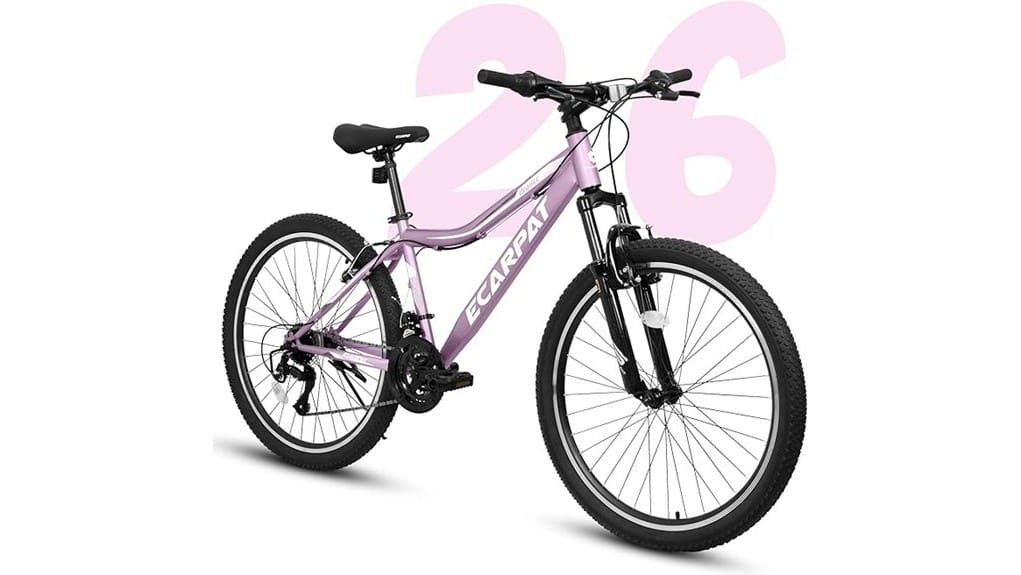
When choosing between the 24” and 26” women’s mountain bike, consider your height and riding priorities: the 24″ is best suited for riders toward the lower end of the 44–54 inch range or those who want a more maneuverable, responsive ride, while the 26″ offers slightly more stability and roll-over ability for taller riders within that range or for mixed-terrain commuting. Use fit charts to verify standover and reach, and test both sizes if possible. You’ll trade nimble handling for increased ride stability with the larger wheel; pick the size that matches your terrain, confidence, and desire for effortless momentum on varied routes. Also consider using bike sizing tools to help determine the most accurate fit.
Frame, Suspension, and Comfort Features That Matter for Girls/Women
Because fit and ride quality start at the frame, you’ll want a geometry and suspension setup that match a woman or girl’s proportions and typical riding conditions. Choose a 15-inch carbon steel frame sized for 44–54 inches height; its thickened parallel bars adapt pressure for stability. A 100 mm front suspension fork soaks bumps, letting you ride farther with less fatigue. Prioritize an adjustable saddle for proper leg extension and weight distribution, and ergonomic grips to reduce hand numbness on long outings. These elements combine to deliver confident handling, predictable comfort, and the freedom to explore varied terrain safely. Consider selecting components specifically designed for female riders, such as narrower handlebars and women-specific saddles, to improve fit and control bike fork choices.
Wheels, Tires, and Grip: Real‑World Performance on Trails and Roads
Feel the difference the right wheels and tires make: the 24- and 26-inch options let you match rolling diameter to rider size and terrain, while the 24 x 2.125 all-terrain rubber delivers a balance of puncture resistance, grip, and predictable braking on dirt, gravel, snow, and pavement. You’ll notice responsive cornering and confident trail traction from the tread profile, and wider tires smooth chatter over roots and rocks. On mixed routes the tires maintain consistent wet grip without feeling sluggish. Choose 24-inch for nimble handling, 26-inch for momentum; both support freedom to explore varied surfaces. For guidance on selecting the best tire, consider Top Tips that focus on tread, width, and puncture protection.
Brakes, Drivetrain, and Safety: Stopping Power and Shifting Tested
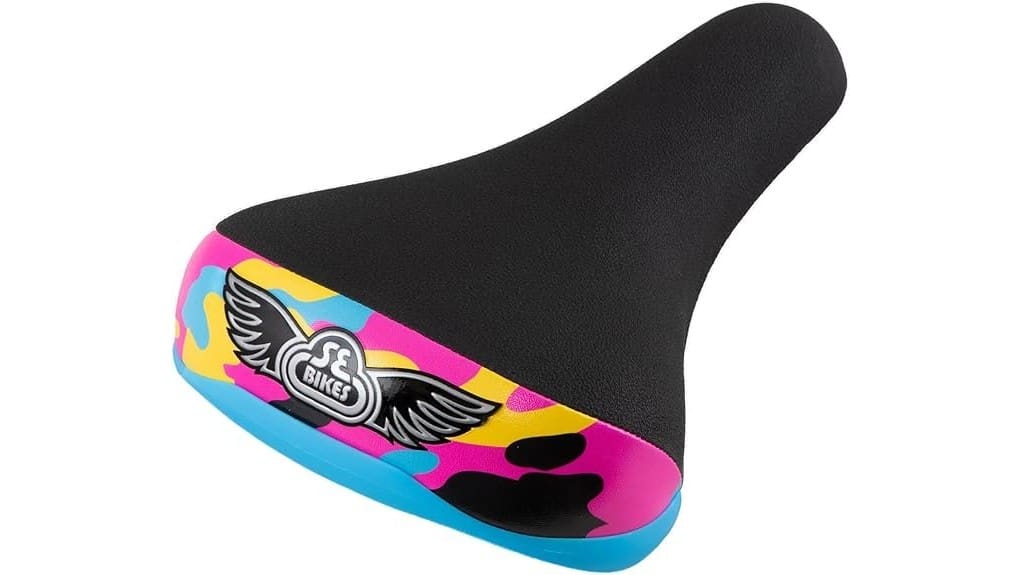
Test the dual V-brake setup and 21-speed drivetrain together to gauge how quickly you can decelerate and resume cadence across varied terrain. You’ll find the lightweight V-brakes deliver strong stopping power with predictable brake modulation, so emergency stops feel controlled rather than abrupt. The 21-speed system shifts cleanly under load on climbs and flats; gear reliability was consistent during mixed-surface runs. Combined, they let you regulate speed precisely and pick a comfortable cadence when the trail changes. For riders chasing freedom, this balance of control and dependable shifting keeps you confident without needing technical adjustments. For the best fit and ride experience, consider choosing a saddle that matches your anatomy and riding style, like those designed specifically for mountain bike saddles.
What to Expect Out of the Box: Assembly, Maintenance, and Buying Advice
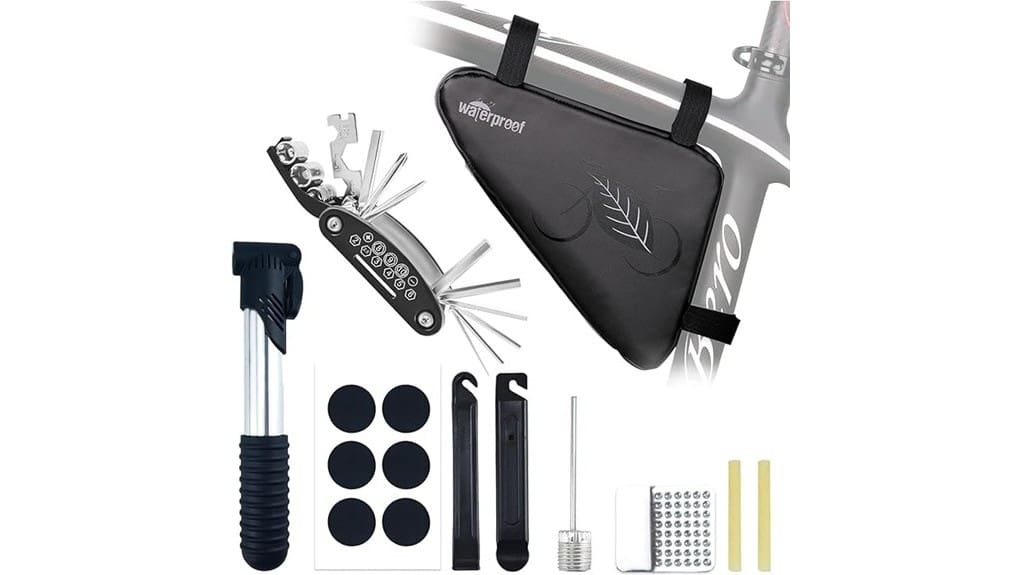
When you unpack the bike, you’ll find it’s about 85% assembled—so you’ll only need to attach the pedals, handlebars, saddle, and front wheel, then inflate the tires, which should take roughly 20 minutes for a basic setup. You’ll get a clear manual and can request an electronic copy. Choose minimal tool selection: an adjustable wrench, hex keys, and a pump suffice. Inspect torque on bolts, set saddle height, and check brake alignment before riding. Maintain chain lubrication, tire pressure, and suspension seals periodically. Verify warranty coverage and registration; that protects your freedom to ride without unexpected repair costs. Consider keeping a compact basic bike repair kit on hand for quick roadside fixes and routine maintenance.
Some Questions Answered
Are Replacement Parts (Frames, Forks) Readily Available Locally?
Yes — you’ll usually find basic replacement parts locally, but full frames and specific forks might be limited. Local shops stock common items and can fit aftermarket frames or standard forks, and they’ll advise compatibility. You’ll want to call ahead to confirm stock or order parts, since specialty carbon-steel frames or proprietary forks may require online vendors. You’ll retain freedom by choosing reliable shops that handle custom fitting and sourcing.
What Color Options and Paint Durability Are Offered?
You’ll get several color options with matte finishes that suit a free-spirited ride, and they’re backed by a UV coating for long-term fade resistance. The factory applies color matching across frame and components, so replacements blend in. Paint shows good chip resistance on typical trail and urban use, though heavy impacts can still chip. You’ll want touch-up paint for tougher riding or to preserve factory aesthetics.
Is There a Women-Specific Saddle Included or Compatible Upgrades?
Yes — the bike includes a women specific saddle designed for saddle fit and comfort, with ergonomic pads for pressure relief and a subtle girly design. You’ll feel more supported on longer rides, and the seat’s standard rails make compatible upgrades easy if you want a different width, gel option, or cut-out shape. You can swap it quickly during the brief assembly, tailoring the ride to your freedom-seeking style.
How Does the Bike Perform With Child Seats or Rear Racks?
You can fit most rear child seat compatibility and rack mounting options, but you’ll want to check frame clearance and seatpost strength first. The 15-inch steel frame and thicker parallel bars handle added load well, and dual V-brakes give reliable stopping power. For safety, use a rack rated for passenger weight and a seat designed for seatpost or rack mounting. Install per manual, and test ride carefully before carrying a child.
What Warranty and Return Policies Apply to These Models?
You get a limited warranty that typically covers frame and major components for a specified warranty duration (check your invoice for exact months). You’ll also have a return window—usually 30 days from delivery—for unused or assembly-issue bikes. You’re responsible for return shipping unless the defect’s on the seller. Keep receipts and photos, follow the manufacturer’s claim steps, and you’ll retain freedom to request repairs, replacements, or refunds within those periods.