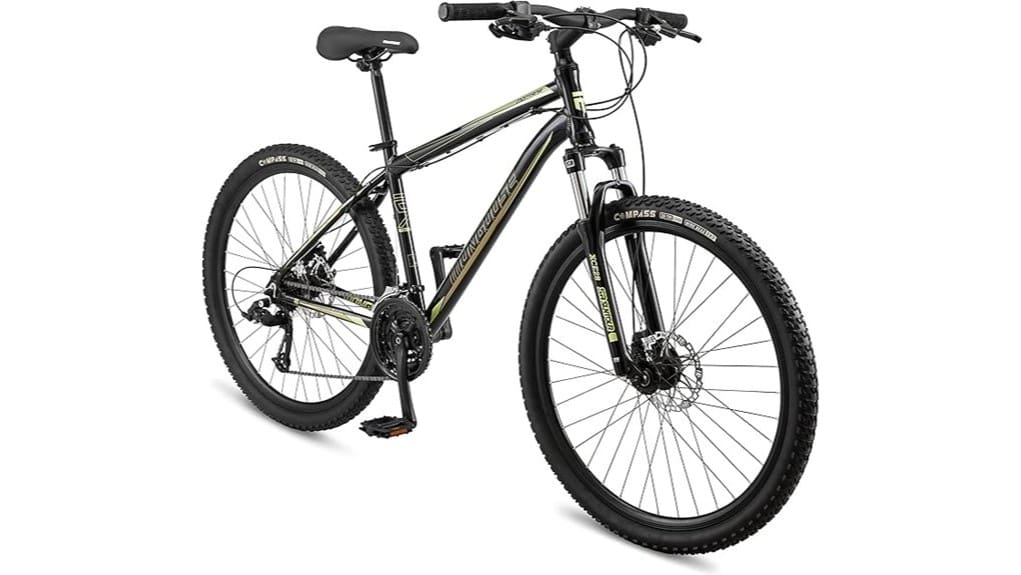
You’ll find the Montana Sport gives smaller riders a nimble, low‑maintenance aluminum hardtail with shorter reach, simple 18‑speed gearing, and predictable handling for neighborhood loops and light singletrack. The Comp steps up components, adds a broader gear range, and a stiffer build to carry speed on steeper, rougher lines and technical trails. Brakes are mechanical discs, suspension soaks chatter, and both are durable—keep going to see detailed specs, ride feel, and upgrade advice.
Some Key Takeaways
- Sport (15″ frame) targets smaller riders (63–67″) with shorter reach and simpler components for nimble, confidence-building rides.
- Comp upgrades components and gearing range for stiffer, faster performance on aggressive, technical singletrack.
- Both use aluminum frames, 27.5″ wheels, suspension forks, and mechanical disc brakes for durable, predictable trail handling.
- Ride impressions: predictable handling, firm cornering, competent chatter absorption, efficient pedaling, and reliable mechanical braking.
- Choose 18-speed for low-maintenance commuting, 21-speed for steeper terrain; consider fork and component upgrades for harsher trails.
Mongoose Montana Sport vs Comp: Which Model Fits Your Riding Style?
When you’re choosing between the Montana Sport and Comp, focus on how you ride: the Sport’s 15-inch aluminum frame and 18-speed setup suits smaller riders (63–67 inches) who want a reliable, trail-ready bike for neighborhood loops and moderate singletrack, while the Comp steps up gearing and components for more aggressive, technical trails and riders pushing harder lines. You’ll evaluate mountain bike sizing against intended terrain—Sport’s shorter reach and simpler components favor nimble, confidence-building rides; Comp’s broader gear range comparison and stiffer kit let you carry speed on steeper pitches and tackle rougher lines with more control. Consider frame and fork compatibility for improved handling with bike fork upgrades.
Key Specs That Matter: Frame, Fork, Wheels, Drivetrain, and Brakes
Dig into the Montana’s core specs to understand how the frame, fork, wheels, drivetrain, and brakes will shape your ride—each component balances weight, durability, and control for trail and neighborhood use. You’ll appreciate the aluminum durability of the alloy frame: light enough to maneuver yet stiff for confident climbs. The suspension fork soaks chatter without overcomplicating handling. 27.5-inch wheels with aggressive mountain tires deliver predictable tire traction and responsive cornering. Choose 18- or 21-speed drivetrains with trigger shifters for crisp cadence control. Mechanical disc brakes give consistent stopping in mixed conditions, marrying simplicity and reliable modulation for freer riding. Consider how the right carbon frame influences ride weight and stiffness when upgrading components.
Real-World Ride Impressions for Trail, Neighborhood, and Rugged Terrain
Testing the Montana across singletrack, city streets, and rocky fire roads reveals a bike that’s purpose-built for predictable handling rather than flashy performance. You’ll notice firm cornering feedback from the 27.5-inch wheels and grippy tires, which keeps lines honest when you push mid-speed berms. Suspension response is competent, soaking chatter and returning composure without wallowing, though it’s not plush on big hits. Pedal efficiency favors steady climbs and neighborhood commutes—18/21-speed gearing shifts cleanly under load. Mechanical discs give confident braking modulation for trail drops and stop-sign sprints. Overall, it’s a reliable, freedom-minded companion for varied terrain. Consider adding a quality bike repair stand to your garage to make maintenance and adjustments easier.
Durability, Fit, and Maintenance: Warranty, Weight, and Common Issues
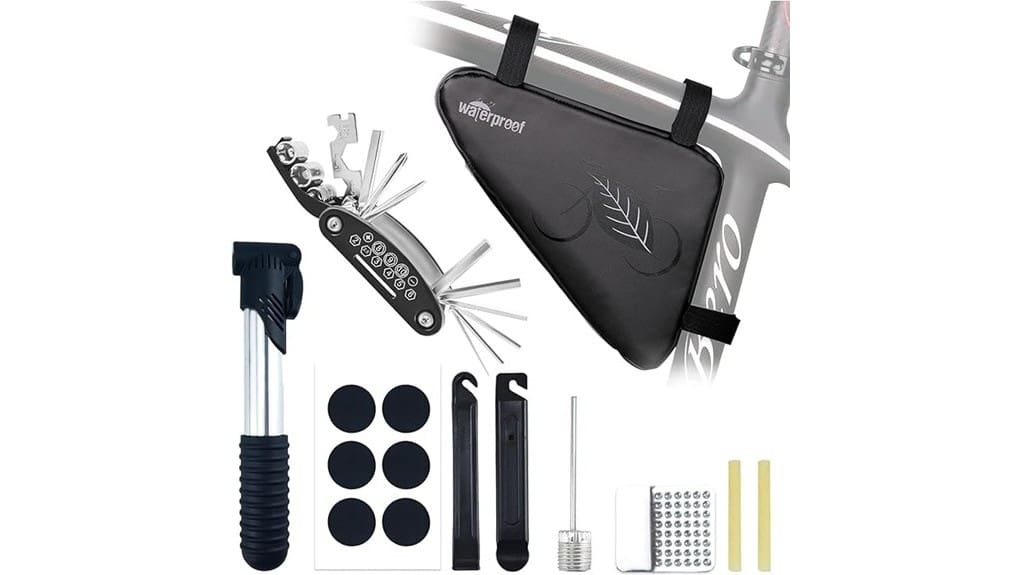
Although the Montana’s aluminum frame and sealed mechanical components don’t promise pro-level longevity, they deliver a durable platform that holds up well to regular trail and neighborhood use; you’ll appreciate the 5-year limited frame warranty and one-year parts coverage if any manufacturing defects appear. You’ll notice sensible weight distribution across the 15.4 kg frame that keeps handling predictable. For freedom-seeking riders, maintenance is straightforward: clean seals, lube chain, and follow corrosion prevention steps after wet rides to aid component longevity. Keep receipts and document maintenance for smooth warranty claims. Common issues: brake adjustment, derailleur indexing, and occasional fastener loosening. For routine upkeep, assemble a basic maintenance kit with essentials like a repair stand, chain lube, and tire levers to keep your Montana running smoothly.
Who Should Buy the Montana (And Which Configuration to Choose)
If you’ve kept up with basic upkeep and the Montana’s weight and warranty fit your expectations, you can now match the bike’s specs to who should buy it and which build to pick. You’ll want the Montana if you crave trail freedom but need predictable, low-maintenance hardware: aluminum frame, suspension fork, 27.5″ wheels and mechanical discs balance bite and serviceability. Choose 18-speed for straightforward commuting and lighter maintenance; pick 21-speed if you tackle steeper trails often. Small riders (63–67″) find the 15″ frame fits best. Beginner commuters benefit from the Sport’s simpler setup; the Comp suits more adventurous, detail-oriented riders. For riders who prefer a more capable off-road setup, consider frames and components optimized for full suspension mountain biking.
Some Questions Answered
Is Assembly Required Upon Delivery?
Yes — you’ll need to assemble it when it arrives. You’ll follow assembly instructions that guide headset, front wheel, handlebar, and pedal installation; basic tools required usually include an adjustable wrench, Allen keys, and a screwdriver. You’ll find the process straightforward if you’ve built bikes before, and it’s quicker than a shop build. You’ll appreciate the freedom to tweak fit and components compared to fully preassembled options.
Can This Bike Fit a Rear Rack or Fenders?
Yes — you can fit a rear rack and fenders, though you’ll check specifics first. The frame’s aluminum build and rack mounts support rear rackability for light touring and cargo; the suspension fork and tire clearance influence fender compatibility. You’ll find mechanical disc brake mounts and 27.5″ tires require slightly wider fenders and possibly rack hardware spacing adjustments. Compared to commuter frames, expect minor modifications for a clean, freedom-ready setup.
Are Replacement Parts Readily Available?
Yes — you can get replacements, though availability varies with supply chain shifts. You’ll find many third party parts (wheels, brakes, derailleurs, shifters) compatible with standard 27.5-inch and 18/21-speed components. You’ll want to compare specs and source both OEM and aftermarket options; sometimes aftermarket stock is faster and cheaper, other times OEM is more reliable. You’ll enjoy the freedom to customize, but plan for occasional delays.
Is There a Recommended Tire Pressure Range?
You should run about 30–45 psi for typical trail and neighborhood use; lower toward 30 psi for better grip and comfort, higher toward 45 psi for faster rolls and firmer handling. Because 27.5-inch tire diameter affects air volume, you’ll feel changes more noticeably than on larger wheels. Experiment within that range, comparing cornering, puncture resistance and ride comfort to match your preferred freedom and terrain.
Does the Bike Accommodate Clipless Pedals?
Yes — you can fit clipless pedals to this bike, though it ships with platform pedals. You’ll appreciate clipless compatibility when comparing pedaling efficiency and control; just match your cleat types (SPD, Delta, etc.) to the pedal system you choose. You’ll experience firmer power transfer and confident cornering, but check crank arm clearance and pedal thread size before installing. Swap pedals easily to gain freer, more connected rides.