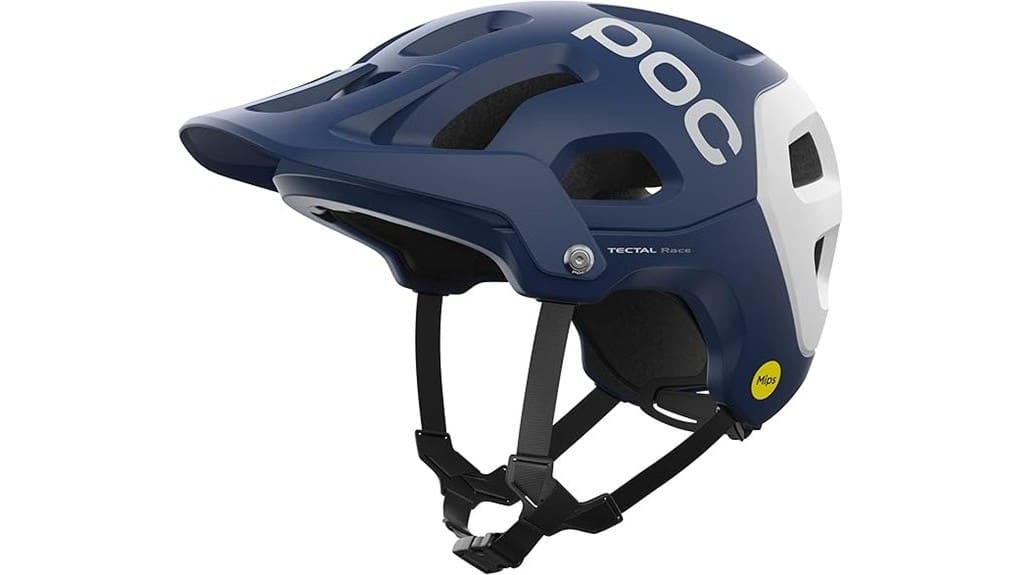
You’ll get a high-performance trail helmet that’s tuned for aggressive riding yet adapts to commuter use. It uses an integrated MIPS layer to reduce rotational forces, a reinforced EPS liner with aramid bridges for layered linear protection, and a unibody polycarbonate shell for durability. The 360° adjustment and low-profile straps deliver a secure, comfortable fit while vent channels manage heat on long rides. Keep going to see detailed fit, crash-performance data, and buying tips.
Some Key Takeaways
- High-performance trail helmet with MIPS reduces rotational forces for safer impacts during aggressive riding.
- Unibody polycarbonate shell, reinforced EPS, and aramid bridges deliver strong linear impact resistance and structural durability.
- 360° fit system and lightweight retention provide stable, comfortable fit with minimal pressure points for long rides.
- Excellent ventilation and balanced weight keep riders cool and reduce fatigue across varied terrain and long days.
- Limited full-face coverage and premium price; verify sizing, retailer availability, and warranty before purchase.
Verdict and Who the POC Tectal Race MIPS Is Best For
Although it targets trail and enduro riders, the POC Tectal Race MIPS really suits anyone seeking a high-performance, durable helmet with advanced rotational protection. You’ll appreciate its robust unibody shell, precise 360° fit system, and ventilation that supports long days and varied terrain. It’s optimized for aggressive trail riding but adapts to commuter commuting and urban commuting where impact mitigation and durability matter. You’ll get lightweight construction, secure goggle storage, and a visor that adjusts for utility. If you value freedom to push limits while retaining practical daily use, this helmet aligns technical protection with versatile performance. The helmet fits well into an Ultimate Guide to Choosing the Right Mountain Bike Helmet by emphasizing ventilation and protection as key selection criteria.
How the Helmet Protects: MIPS Brain System, EPS Liner, and Aramid Reinforcement
When a crash involves twisting forces, the Tectal Race MIPS reduces rotational energy transfer to your head by letting the liner slide a few millimeters relative to the shell; the integrated MIPS brain protection system is engineered for that controlled low-friction movement. You benefit from layered impact attenuation: a reinforced EPS liner dissipates linear forces while maintained liner integrity prevents compaction that would degrade protection. Aramid bridges tie shell and foam, providing targeted structural reinforcement and preserving helmet geometry under load. Together these systems manage rotational dynamics and linear impact energy so you can ride with confidence and greater freedom. This helmet is designed specifically for everyday riders and urban commuters who need reliable protection and practical features for commuter bike use.
Fit, Comfort, and Ventilation on Long Trail and Enduro Rides
Typically, the Tectal Race MIPS delivers a secure, customizable fit that keeps the helmet stable on long trail and enduro rides thanks to its 360° size adjustment system and lightweight retention components. You’ll find consistent contact across the cranial shell, minimizing pressure points while maintaining strap comfort with flat, low-profile webbing and a micro-adjustable buckle. Ventilation airflow channels and strategic vent placement promote temperature regulation during sustained climbs and hot descents, moving heat away from core contact zones. On extended outings the helmet remains lightweight and balanced, letting you focus on line choice and momentum without distraction. For riders choosing gear, selecting the right road cycling helmet involves balancing comfort, fit, and safety features like impact protection to match their riding style and conditions.
Shell, Durability, and Practical Features (Visor, Goggle Storage, Clip)
Alongside fit and ventilation, the helmet’s shell construction and practical features define how it performs on rough trails and in everyday use. You get a unibody polycarbonate shell with reinforced EPS and aramid bridges that optimize impact resistance while keeping weight low. The adjustable visor is stiff, offering repeatable positioning and a clear sightline. For storage, the peak lifts to allow secure goggle storage beneath, and an integrated goggle clip plus molded channels maintain clip retention during aggressive riding. Overall, the design balances durability and convenience so you can ride freely without fuss or compromise. The helmet is part of a broader selection of products designed to improve rider safety and enjoyment, including specialized bike helmets and accessories.
Pros, Cons, and Buying Guide: Sizes, Price, and Alternatives to Consider
Because fit, protection, and value vary by rider and discipline, here’s a concise breakdown to help you decide if the POC Tectal Race MIPS matches your needs: You get strong pros—MIPS rotational protection, aramid-reinforced EPS, ventilated lightweight shell, and adjustable 360° fit. Cons include limited full-face coverage and a premium price. Check the size chart for accurate fit; perform a price comparison across sellers. Confirm retailer availability and warranty details before buying. Alternatives to contemplate: other high-end trail helmets with MIPS or extended coverage. Choose based on fit, intended terrain, and freedom to move. Consider also how accessories for recumbent bikes may influence your helmet choice and mounting options.
Some Questions Answered
Is This Helmet Certified for Downhill Racing Events?
No — it isn’t specifically downhill certified for gravity-only race regulations. You’ll find it’s designed for trail to enduro use with MIPS and reinforced EPS for impact protection, but downhill certification often requires specific DH standards (e.g., ASTM F1952 or equivalent) that this helmet doesn’t claim. You should check your event’s race regulations and use a helmet that explicitly lists the required downhill certification to guarantee compliance and maximum protection.
Can I Use Prescription Goggles With This Helmet?
Yes — you can use prescription goggles with this helmet. You’ll get fit compatibility via the adjustable peak and 360° size adjustment, letting goggles sit securely without pressure points. Ventilation channels and lightweight construction maintain comfort when you swap lenses, and the goggle clip keeps them stable. Lens interchange is straightforward for different prescriptions or light conditions, preserving seal and field of view while you ride freely.
What Is the Recommended Replacement Interval for the Helmet?
You should replace the helmet every 3–5 years under normal use, or immediately after any significant impact. Your service life shortens with heavy use, UV exposure, or visible damage to the shell, EPS liner, aramid bridges, or MIPS components. Dispose of the helmet following local regulations for mixed materials; don’t reuse after crushing impacts. Keep records of purchase and incidents so you can judge service life objectively and maintain rider freedom.
Are Replacement Visors and Pads Available Separately?
Yes — replacement visors and pad replacements are available separately. You can order compatible visors and internal pad kits to maintain fit, ventilation, and goggle clearance. Visor availability covers adjustable peaks and mounting hardware; pad replacements include sweat-absorbing and shaped foam pieces for the 360° size adjustment system. You’ll preserve helmet performance and comfort by replacing worn components rather than the entire helmet when damage hasn’t occurred.
Does the Helmet Come With a Warranty and Customer Support?
Yes — the helmet includes warranty details and access to customer support. You’ll get a manufacturer warranty covering defects in materials and workmanship for a specified period; check your region-specific terms for duration and exclusions. If an issue arises, contact customer support through the brand’s website or authorized dealer channels for claims, replacement parts, or service guidance. Keep proof of purchase and serial information to streamline any warranty or support request.