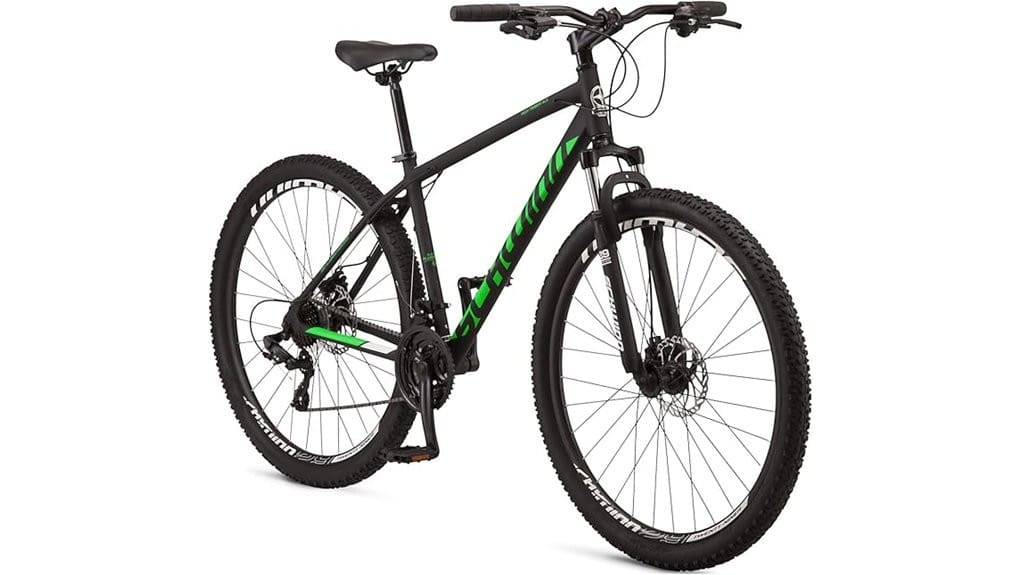
You’ll find the Schwinn High Timber is a practical, budget-friendly trail bike that balances predictable handling, basic front suspension, and low-maintenance components for casual riders. It ships mostly assembled, offers aluminum or steel frames and 24″–29″ wheel options, and comes with 7- or 21-speed twist-shifter drivetrains that are simple to service. Lightweight alloy wheels and wide knobby tires boost confidence on loose surfaces, and the setup suits commuters and mild singletrack—keep going for full specs and fit guidance.
Some Key Takeaways
- Practical, low-maintenance trail bike with predictable handling and comfortable front-suspension ride for recreational use.
- Available in aluminum or steel frames, ships roughly 80% assembled requiring basic final setup.
- Wheel options span 24″–29″ with lightweight alloy wheels and wide knobby tires for traction on loose or wet surfaces.
- Drivetrain choices: 7-speed for simplicity, 21-speed for wider gear range and smoother cadence control.
- Routine upkeep includes chain lubrication, brake checks, and occasional part replacements; verify retailer pricing and user reviews.
Quick Verdict and Core Specs for the Schwinn High Timber
When you need a dependable, budget-friendly trail bike that’s easy to ride and maintain, the Schwinn High Timber delivers. You get clear core specs: aluminum or steel frames, wheel sizes from 24″ to 29″, and 7- or 21-speed drivetrains with twist shifters and an alloy crank. It ships ~80% assembled, includes a quick-release seat post, and needs common tools to finish setup. For freedom-seeking riders, it balances simplicity and versatility. Check price comparison across retailers and read user testimonials to confirm fit and value before buying; the High Timber targets low-maintenance, practical trail use. Riders new to cycling should consider essential beginner gear like helmets, lights, and a basic repair kit to stay safe and prepared on rides, including a helmet and lights.
Ride Performance: Handling, Suspension, Wheels, and Tires
Although it’s built for accessibility more than aggressive trail riding, the High Timber delivers predictable handling and a comfortable ride that will suit most recreational riders. You’ll notice the front suspension soaks chatter without wasting pedaling energy, and the lightweight alloy wheels keep steering responsive. Wide knobby tires provide traction and contribute to confident cornering stability on loose or wet surfaces. Frame choices and wheel sizes tune the bike to your stance, enhancing terrain adaptability from gravel paths to mild singletrack. Overall, the setup favors control and comfort, letting you explore freer routes without overcommitting to extreme riding demands. Schwinn offers a range of accessories and apparel designed for mountain bike riders to complement the High Timber.
Drivetrain and Shifting: 7- Vs 21-Speed, Twist Shifters, and Drivetrain Maintenance
Choose between the 7- and 21-speed High Timber based on how much gearing range you need: the 7-speed offers simpler maintenance and a narrower gear span that’s ideal for casual trail and commuter use, while the 21-speed gives finer cadence control and a wider range for steeper climbs or varied terrain. You’ll appreciate twist shifter ergonomics for quick, intuitive changes; they’re low-profile and easy to operate on the move. Consider gear ratio tradeoffs: fewer cogs mean larger jumps between gears but less upkeep, while 21-speed smooths cadence shifts at the cost of slightly more tuning. Keep chain clean and indexed. Regular chain care, including cleaning and lubrication, helps ensure smooth, reliable rides.
Fit and Sizing: Wheel/Frame Options and Rider Height Guidance
Because fit starts with the wheels and frame working together, pick a High Timber size that matches both your height and riding style: the line spans 24” to 29” wheels and includes a lightweight 10.5″ aluminum frame plus steel-frame options, so shorter riders (for example, 20″ wheels suit people about 40–50″ tall) should prioritize smaller wheel/frame combos for proper standover and control, while taller riders will benefit from the larger 27.5″ or 29″ setups for improved rollover and stability. Check standover height, saddle reach, and wheel clearance so you can maneuver freely and ride confidently. Consider consulting a bike fit system to ensure optimal comfort and performance.
Assembly, Tools, and Long-Term Maintenance Costs
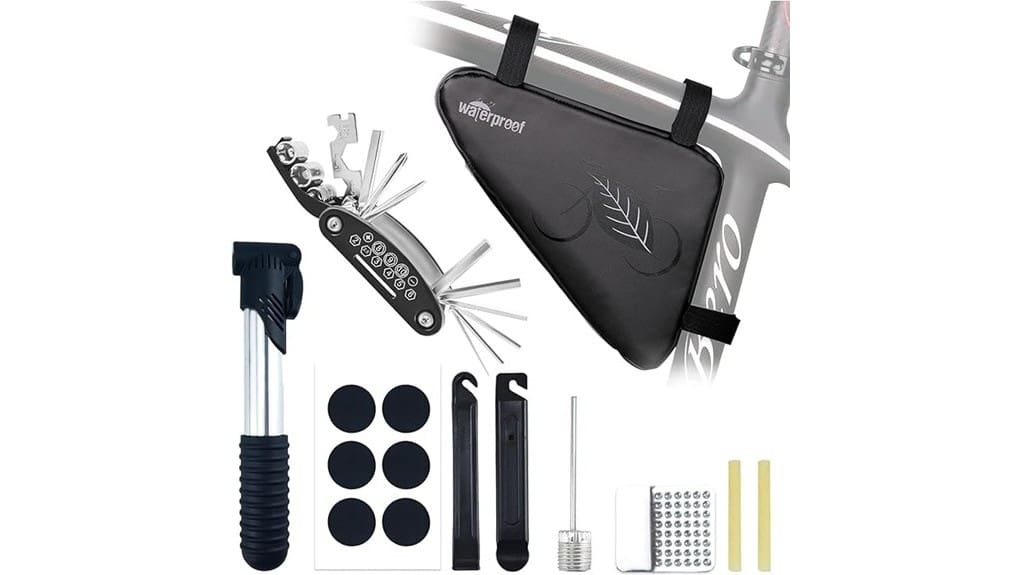
Get the High Timber road-ready in an afternoon: the bike ships about 80% assembled, so you’ll need to attach the front wheel, handlebars, seat, pedals, and make basic adjustments before your first ride. You’ll want a Phillips screwdriver, 2.5–8 mm Allen wrenches, an adjustable wrench, and pliers with cable cutters to finish setup cleanly. Shipping logistics are straightforward; inspect packaging and components immediately to document any damage for claims. Routine upkeep is minimal—lubing chain, brake checks, occasional derailleur tweaks—but factor in periodic brake pads, tires, and tune-ups. Check warranty coverage for frame and component specifics to protect long-term freedom. Many enthusiasts also keep a compact home toolkit and essential gear on hand for quick maintenance and roadside fixes.
Some Questions Answered
Does the Bike Include Front and Rear Reflectors or Lights for Night Riding?
No, it doesn’t include front and rear reflectors or lights by default. You’ll get reflective tape on some packaging or parts but should plan an LED upgrade for safe night riding. You’ll want to add a bright front LED and a rear light or reflector, and secure reflective tape on forks and frame for extra visibility. You’ll enjoy freedom riding once you outfit it with these simple, low-cost safety upgrades.
Is There a Warranty and What Does It Cover for the Frame and Components?
Yes — you’ll get a limited coverage warranty that typically covers the frame longer than components; warranty duration varies by seller but often spans several years for the frame and shorter periods for parts. You’ll need proof of purchase and to follow maintenance guidelines; normal wear, misuse, and improper assembly aren’t covered. Check the seller’s warranty document for exact timeframes and claim procedures so you can ride with confidence.
Can I Install a Rack or Fenders on This Model?
Yes — you can fit a rear rack and fenders, but check mounting points first. You’ll want a rack that clamps to seatpost or uses frame eyelets if present; confirm fender compatibility with tire width and fork clearance. Wide knobby tires may need full-coverage, flexible fenders or short mudguards. Use proper rack hardware and torque specs; consider a lightweight rack to preserve agility and freedom on varied trails.
Are Replacement Tires and Tubes Readily Available in Local Stores?
Yes — replacement tires and tubes are generally easy to find locally. You’ll use common mountain tire sizes (24–29-inch options), so tire sourcing at bike shops or big-box stores is straightforward. Check tube compatibility with the exact wheel diameter and valve type listed on your existing tube. Bring your wheel measurements or the old tube to make certain correct width and valve match, and you’ll be riding again without hassle.
Is the Saddle Comfortable or Should I Consider Swapping It Out?
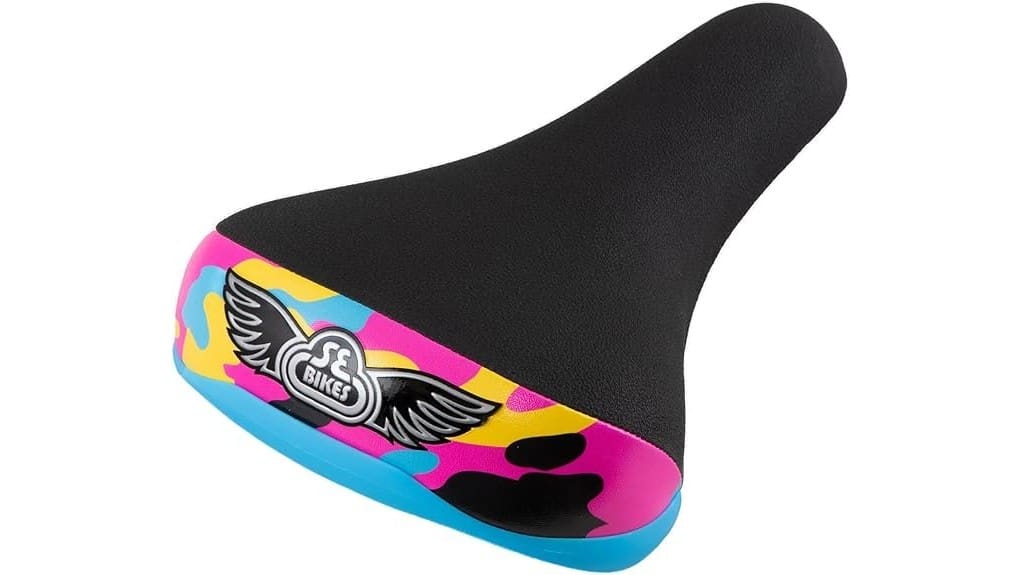
The saddle comfortability is decent for casual rides, but you may want to swap it if you ride long or aggressive trails. It offers basic ergonomic padding that suits short commutes and trail testing, yet lacks advanced contouring and pressure relief. You’ll notice comfort improves quickly with a higher-quality, lighter saddle designed for your sit-bone width and riding style, freeing you to ride longer and explore further with confidence.