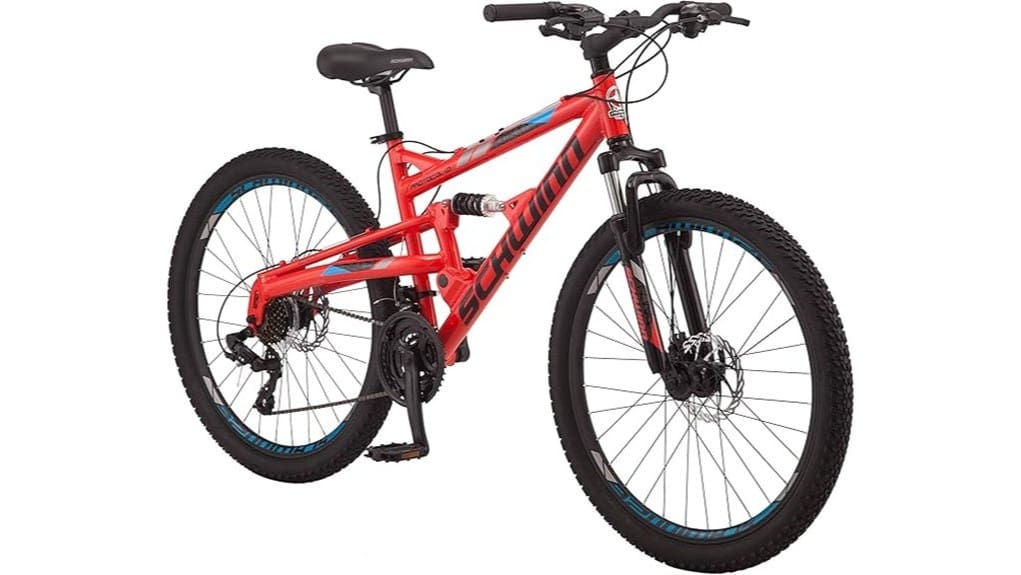
If you want a budget full‑suspension bike for casual trails, the 2019 Schwinn Protocol is worth considering: it gives you a durable aluminum dual‑suspension frame, predictable handling, 21 speeds and mechanical disc brakes for basic trail work, plus a limited lifetime warranty. It’s best for beginner to weekend riders around 64–74 inches and not for aggressive or high‑performance use. Keep going and you’ll find detailed pros, cons and alternatives to match your priorities.
Some Key Takeaways
- Good value for casual riders seeking a forgiving, full‑suspension aluminum bike with a limited lifetime warranty.
- 21‑speed derailleur and mechanical disc brakes provide reliable, low‑maintenance performance but not high‑end precision.
- 2.25‑inch knobby tires and basic suspension absorb small bumps; unsuitable for aggressive or technical trail riding.
- 17‑inch frame fits roughly 64–74 inch riders; verify reach and standover for proper fit before buying.
- Consider skipping if you want lighter weight, modern geometry, or elite components; used hardtails can be cheaper alternatives.
Quick Verdict: Is the 2019 Schwinn Protocol Worth Buying?
While it won’t satisfy serious trail riders, the 2019 Schwinn Protocol gives you solid value for casual mountain and trail rides: its aluminum dual‑suspension frame, 21‑speed derailleur gearing, and mechanical disc brakes deliver competent performance for recreational use, and Schwinn’s limited lifetime warranty adds peace of mind. You’ll appreciate reliable basics, low maintenance, and predictable handling on mixed terrain. In a price comparison it often undercuts higher‑end full‑suspension bikes, though components limit aggressive use. Expect modest resale value but easy entry into trail riding. If you want freedom on familiar routes, it’s a sensible, affordable choice. Many shoppers find that buying wheels and parts from a dedicated mountain bike wheels retailer makes upgrades and replacements easier.
Who the Protocol Fits Best: Rider Height, Skill Level, and Intended Use
If the Protocol’s strengths—affordable full‑suspension comfort and basic, durable components—matched what you need for casual trails, the next question is who it actually fits best. You’ll find the 17‑inch frame suits rider heights roughly 64–74 inches, so check rider proportions for reach and standover before buying. Beginners and casual riders benefit most: the simple drivetrain, mechanical discs, and forgiving geometry help skill progression without overwhelming complexity. If you chase aggressive lines, technical jumps, or rapid upgrades, you’ll outgrow it. For free‑spirited weekend explorers who want reliable, low‑maintenance trail fun, the Protocol fits well. Consider also the bike frame selection on our site to find a model that matches your riding style and fit, including options focused on bike frames for different types of riders.
Ride and Performance Breakdown: Frame, Suspension, Wheels, and Brakes
Because the Protocol pairs an aluminum full‑suspension frame with a basic front fork and compliant geometry, you’ll feel a noticeably smoother ride on rough trails compared with a hardtail at the same price point. You get predictable, confidence‑building handling that lets you explore freely. Suspension tuning is basic — it soaks chatter but won’t absorb big hits like higher‑end shocks — so stay mindful of limits. Double‑wall rims and 2.25‑inch knobby tires offer traction and durability for varied terrain. Mechanical disc brakes deliver consistent braking feedback, though modulation is modest. Overall, the setup favors trail comfort and dependable control for entry riders. The bike is well suited for riders who prioritize full suspension comfort over high‑end componentry.
Component Details and Reliability: Drivetrain, Tires, and Build Quality
Though aimed at entry riders, the Protocol’s drivetrain and tires deliver dependable, no‑frills performance that keeps maintenance simple and costs down. You get a 21-speed derailleur setup with trigger shifters and an alloy crank that offers acceptable shifting precision for trails and commute. Chain durability is reasonable if you clean and lube regularly; expect stretched links before heavy-duty use. The 2.25-inch knobby tires give solid tire traction on dirt and gravel while remaining predictable on pavement. Aluminum frame and components resist component corrosion better than steel, though fasteners and pivots need periodic inspection to stay reliable. For riders choosing tires, consider the benefits of mountain bike tires designed for off-road traction and durability.
Buy-or-Skip Checklist and Best Alternatives Under $500–$800
You’ll want to weigh how the Protocol’s straightforward drivetrain, durable knobby tires, and aluminum dual‑suspension frame match your riding needs before buying. Decide: if you seek basic trail freedom, its fit (64–74 in), limited lifetime warranty, and sturdy build make it a buy. Skip if you want lighter weight, precise shifting, or modern geometry. Consider budget alternatives like used quality hardtails, entry-level Diamondback, Kent, or Decathlon models within $500–$800. Factor in maintenance tips: check headset, adjust derailleurs, bleed or align brakes, true wheels, and replace worn tires. Those steps extend value and enjoyment. Also consider protecting indoor training areas with a bike trainer mat to reduce noise and protect floors.
Some Questions Answered
Does the Bike Come Partially Assembled or Require Full Assembly?
You get partial assembly; the bike isn’t shipped fully built. You’ll need to finish installing handlebars, front wheel, pedals and making basic adjustments. That setup keeps shipping simpler and lets you inspect components. Many sellers offer dealer pickup for a fully prepped option, so you can choose freedom to assemble yourself or grab a tuned bike at a shop. Expect minimal tools and an hour or so for a confident ride-ready setup.
Is a Helmet or Accessories Included With Purchase?
No, a helmet or accessories aren’t included with purchase. You’ll get the bike only; you’ll need to buy a helmet, lights, or locks separately to ride safely and freely. Check seller listings for free shipping or bundled deals, and consider adding an extended warranty if you want extra protection beyond Schwinn’s limited lifetime coverage. Compare prices and accessories to keep your setup light, practical, and ready for open-road adventures.
Can the Rear Shock Be Serviced or Upgraded Easily?
Yes — you can service or upgrade the rear shock, but options are limited. You’ll need to check shock compatibility with the Protocol’s specific pivot spacing and mount hardware; many aftermarket shocks require different eyelet sizes or reducers. Basic service (air can, seals) is doable by a competent rider or local shop. For a rear upgradeability that opens big performance gains, budget for parts and a professional install to guarantee safe geometry and function.
What Tools Are Needed for Routine Maintenance?
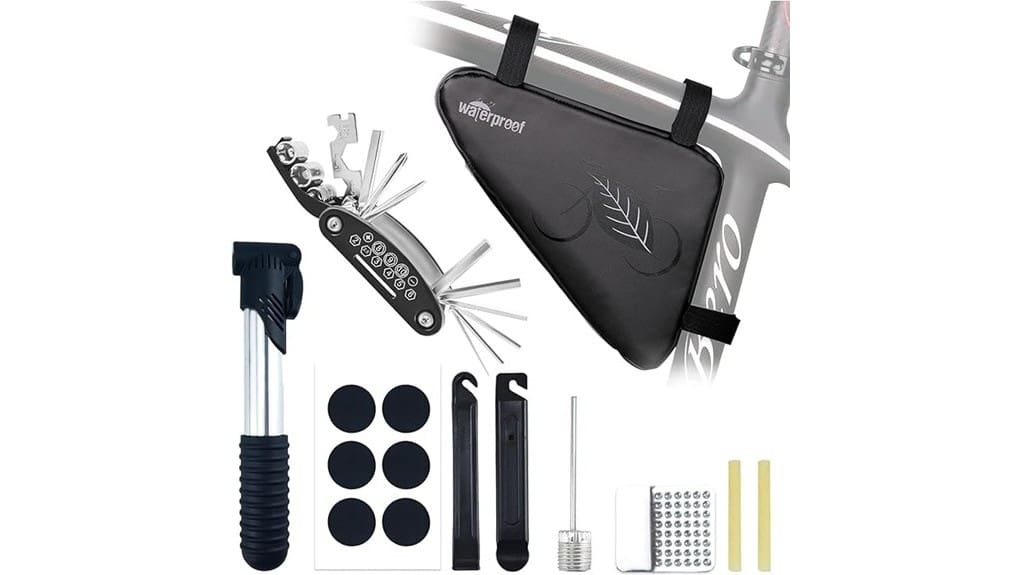
You’ll need basic tools: tire levers, patch kit, floor pump, adjustable wrench, hex/allen set, chain tool, lubricant, and rag. Add a torque wrench for tightening bolts to spec and a Phillips/flat screwdriver for adjustments. For brakes and drivetrain, carry a cassette/chain whip or compatible multi-tool if you want freedom to fix more. These tools keep routine maintenance simple, safe, and bike-ready without relying on a shop.
Is There a Size Chart Comparing 26″ Vs 27.5″ Wheel Options?
No exact size chart compares 26” fitment vs 27.5″ for this model, but you can use rider height and wheel choice guidelines: riders 64–74 inches fit the Protocol’s 17″ frame, while 27.5″ wheels raise bottom bracket and smooth trail handling; 26″ keeps quicker handling and slightly lower standover. Choose 27.5″ for rollover and stability, 26″ for nimble maneuvering—balance your freedom to roam with preferred handling.