You’ll get a straightforward 27.5″ Schwinn tube that fits most mountain rims and tires up to about 2.6″ and uses a Schrader valve (self-sealing option adds sealant and slight weight). It holds pressure predictably, resists seam and bead abrasion, and is easy to install or patch with basic tools. It’s a budget, no-frills choice—reliable for routine trail use but less protective than premium or thicker aftermarket tubes; more details follow if you want them.
Some Key Takeaways
- Schwinn 27.5″ inner tubes fit 27.5″ MTB tires and should match tire width up to 2.6″ for proper compatibility.
- Basic Schrader tubes offer reliable pressure retention and predictable ride feel at a budget price.
- Self-sealing Schwinn tubes add sealant for small puncture protection but slightly increase weight.
- Proper installation—centering rim strip, partially inflating tube, and careful bead seating—prevents pinches and blowouts.
- Good value for routine trail use, though thicker aftermarket tubes may better suit aggressive terrain.
Which Schwinn Replacement Tube Fits 27.5 Mountain Bikes?
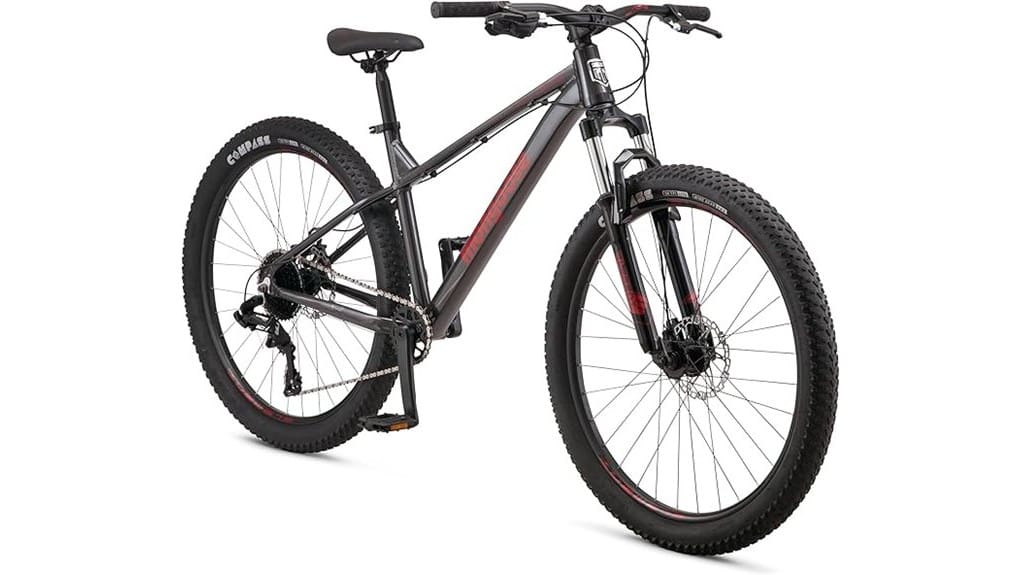
When replacing a tube on a 27.5-inch mountain bike, choose a Schwinn inner tube sized for 27.5″ wheels with a Schrader valve; these tubes come in both basic and self-sealing variants and are built for durable, adult mountain-bike use. You’ll confirm 27.5 compatibility by matching tube diameter and tire width range to your 2.6-inch tires. Check rim width specs to guarantee proper seating and avoid blowouts. Verify tire clearance in your frame and fork so the tube won’t be pinched. Finally, select appropriate valve length for rim depth to allow easy inflation and confident trail repairs. Consider carrying essential spare tubes and basic repair tools whenever you ride to ensure quick roadside fixes.
Tube Construction and Valve Options: Schrader vs. Self-Sealing
Although both Schwinn’s basic Schrader tubes and their self-sealing variants share the same core rubber construction for 27.5″ mountain use, they differ in valve and sealing features that affect maintenance and ride resilience. You’ll find consistent rubber compounds tuned for flexibility and puncture resistance across both. Schrader tubes offer broad valve compatibility with standard rims and pumps, making roadside fixes simple. Self-sealing models add an inner sealant layer that plugs small punctures automatically, reducing stops and upkeep. Choose Schrader for straightforward replacements and universal pumps; pick self-sealing when you want added freedom from frequent patching. Riders who frequent mixed terrain often prefer tubes designed for puncture resistance to minimize downtime and maintenance.
Real-World Performance: Durability, Puncture Resistance, and Ride Feel
Now that you’ve weighed valve and sealing choices, assess how those features affect day-to-day performance: Schwinn’s 27.5″ tubes hold pressure reliably under typical mountain conditions, with the basic Schrader version offering predictable elasticity and the self-sealing variant sacrificing a slight extra weight for improved puncture tolerance. You’ll notice consistent pressure retention across varied trails; durable construction resists seam failures and abrasions from bead and rim edges. Tread interaction transmits feedback cleanly, so you can trust line choice and cornering. For freedom-seeking riders, these tubes balance resilience and ride feel without unnecessary complexity or weight penalty. Riders who prefer off-road riding often select tires and tubes matched to mountain bike conditions for optimal performance.
How to Install and Troubleshoot a Schwinn Tube on 2.6 Tires
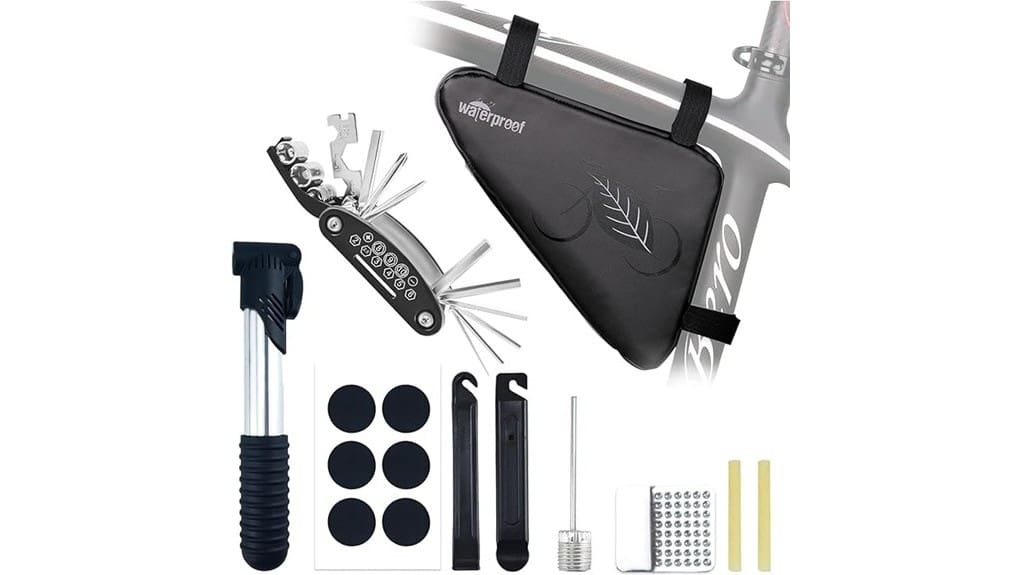
Start by removing the wheel and deflating the tire completely. Use mountain specific tools—tire levers, a pump with a Schrader head, and a compact wrench—to unseat the bead. Check rim strip placement; center it, expose valve hole, and avoid pinches. Insert a partially inflated Schwinn tube, align the valve, then seat the tire bead progressively around the rim. Inflate to recommended pressure, spin and inspect for bulges or rubbing. For leaks, submerge the inflated tube in water or use soapy spray to find bubbles. Replace damaged rim strip or re-seat the tube to fix most issues quickly. Carrying essential tire levers can make roadside repairs much faster and easier.
Is the Schwinn Tube Worth It? Price, Alternatives, and Final Recommendation
If you want a straightforward, no-frills inner tube that fits 27.5″ mountain tires with a Schrader valve, the Schwinn tube delivers dependable performance at a budget price—it’s durable enough for routine trail use and easy to install or patch when needed. You’ll weigh cost comparison versus puncture protection: Schwinn basic and self-sealing options cost less than premium brands but lack advanced puncture tech. User testimonials report reliable rides and simple repairs, though some riders prefer thicker aftermarket tubes for aggressive terrain. Recommendation: choose Schwinn for routine, freedom-minded riders who prioritize value; upgrade only if you need extra puncture resistance. Many cyclists also keep an essential patch kit on hand for quick roadside repairs.
Some Questions Answered
Does the Tube Come Pre-Installed With Sealant From the Factory?
No, the tube doesn’t come with pre installed sealant. You’ll get a basic Schwinn inner tube with a Schrader valve and no factory coating options applied. You’re free to choose sealant type and volume based on tire width and riding style. Install the tube dry if you prefer puncture plugs, or add a compatible sealant yourself for self-sealing capability. Follow sealant manufacturer guidelines for best results and rider freedom.
Can I Use This Tube With Tubeless-Ready Rims?
No — you can’t use this standard Schwinn inner tube as a tubeless solution on tubeless-ready rims without changes. Valve compatibility is fine for Schrader holes, but tubeless setups need a sealed rim bed and proper tubeless valve stems. You’ll need correct rim tape, a tubeless valve, and sealant, or convert with a tubeless-specific kit. For freedom on trails, install true tubeless components for reliable performance.
Is There a Warranty or Satisfaction Guarantee Included?
Yes — you get a limited warranty; typical warranty duration is stated on the packaging and ranges by seller. You’ll want to confirm specifics before purchasing. If you find defects, contact customer support promptly for replacement or refund options. Keep your receipt and note the valve type and size. You’ll get straightforward, practical assistance to resolve issues so you can get back to riding with confidence and freedom.
Are Replacement Tubes Compatible With Different Schwinn Bike Models?
Yes — you can fit replacement tubes across Schwinn models so long as you match wheel size and valve type. Check the rim diameter (e.g., 27.5″) and choose Schrader or Presta accordingly; tube width tolerance usually covers typical tire widths like 2.6″. You’ll swap easily if those specs align. Keep valves compatible with your rim hole and tubeless setups in mind to guarantee reliable sealing and freedom to ride.
What Is the Recommended Storage Method to Prolong Tube Life?
Store tubes in a cool, dark place; avoid sunlight and heat sources. You’ll keep them dry and in a climate controlled area, ideally slightly inflated to relieve stress—don’t overinflate. Seal packages to block moisture and ozone exposure. Rotate stock so older tubes get used first, and inspect periodically for cracks or soft spots. You’ll handle tubes gently, avoiding sharp objects, and replace any showing degradation before mounting.